

Visit Askar 80ED is a telescope with a diameter of 80 mm and a focal length of 560 mm.
(f/7), designed for amateur astronomers who want a lightweight, easy-to-use instrument.
and capable of both visual and serious deep-sky astrophoto.
With its ED doublet, It offers excellent chromatic control, ideal for
enjoy nebulae, open clusters and large galaxies without the hassle.
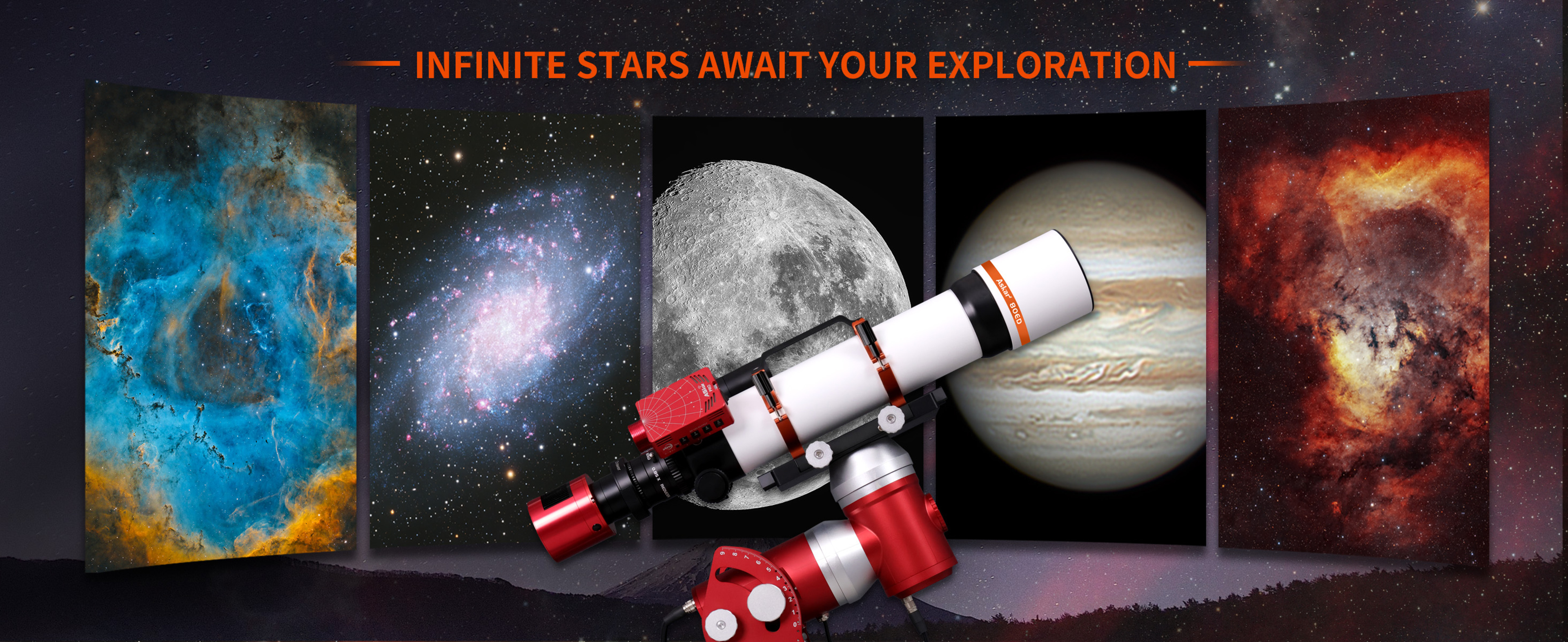
The 80ED offers an excellent compromise between aperture, weight and size:
This featherweight design allows the bezel to be mounted on very compact frames. It fits easily into a
travel setup or a semi-fixed station, while leaving plenty of room for the camera, finder-guide and
the usual small accessories.
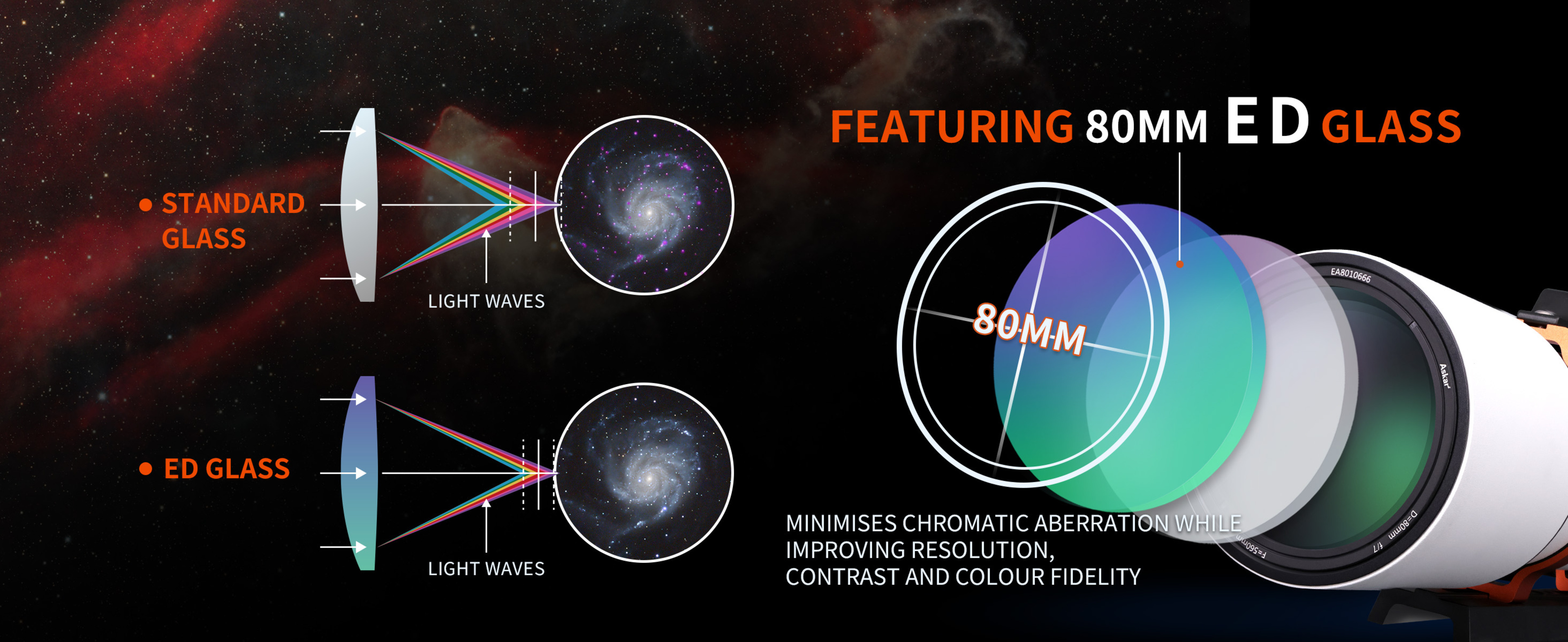
The aim of 80ED is to ED doublet a low-dispersion glass lens combined with
an achromatic lens. This type of design is very popular with hobbyists, as it effectively limits
colorful bangs on the stars and high-contrast edges. The result is fine, well-shaped stars
This is a major asset for both imaging and high-magnification observation.
With its report f/7, the telescope remains fast enough for astrophotography without becoming
too demanding on collimation or tracking. It's a very healthy choice for a first tube dedicated to the
deep sky or as a complementary telescope to a larger-diameter instrument.
The 80ED comes with all the essentials for a quick trip under the sky:
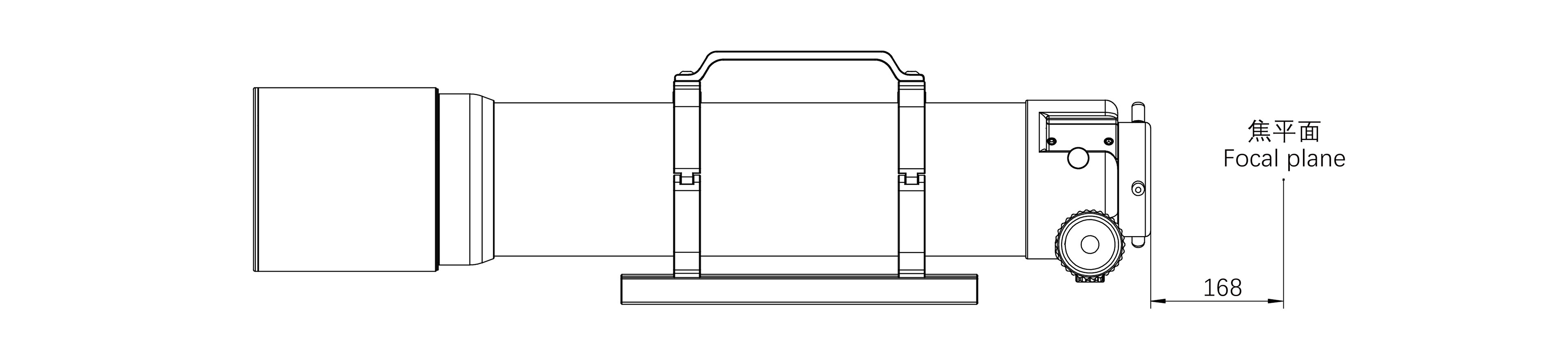
Diagrams supplied by the manufacturer (dimensional diagrams, positions of locking screws, etc.),
optical path, speckle and longitudinal aberration diagrams) show a telescope designed
which supports modern sensors very well.
80ED is particularly interesting for’wide-field astrophoto. Numerous images
reference models made with this bezel feature iconic objects such as :
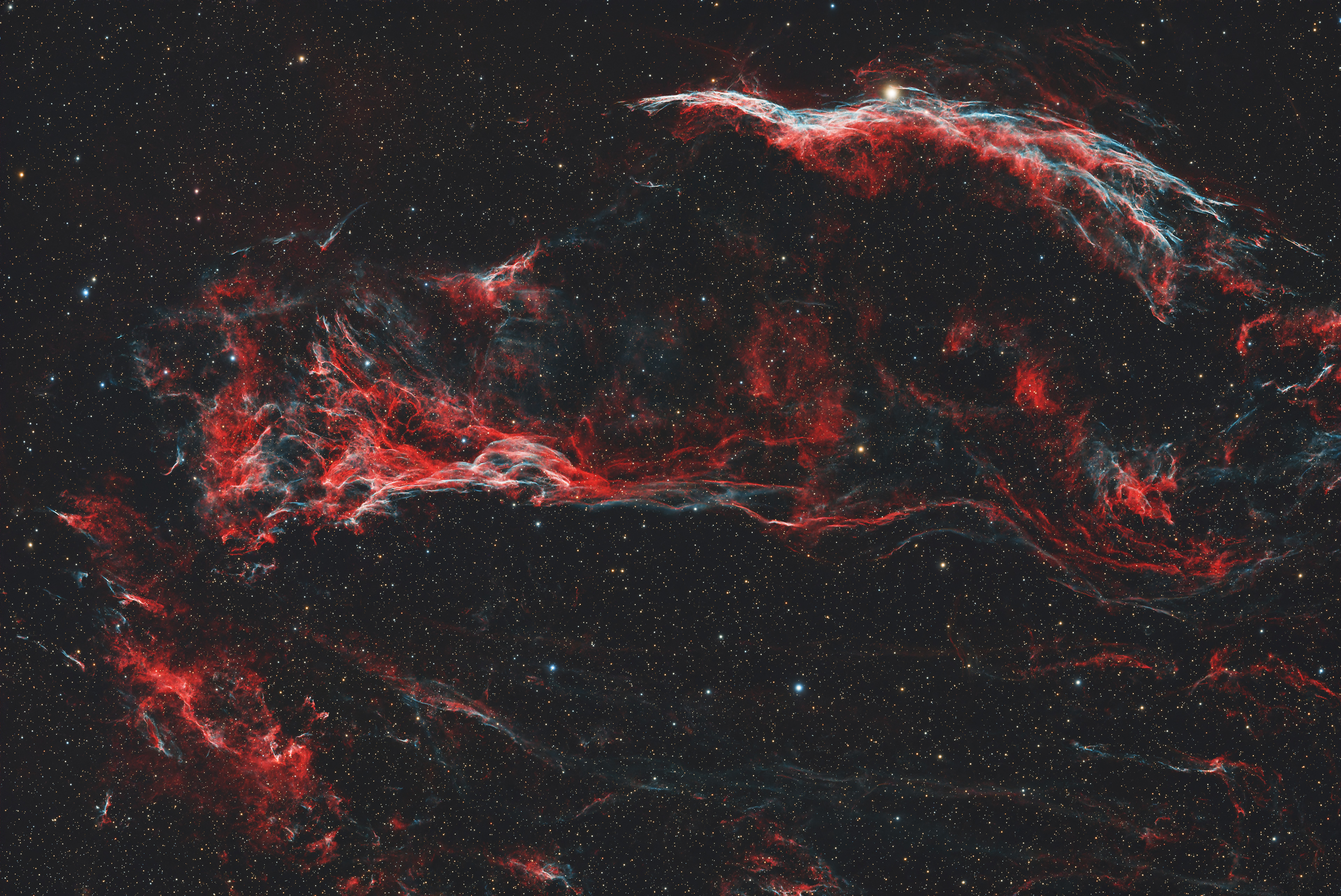
NGC6960 | 张宇航 | ASKAR 80ED + 1.0x Flattener + ZWO ASI2600MC

NGC 6960 | 阿强 | ASKAR 80ED + 1.0x Flattener + QHY268C

M8 | 小豆枕 | ASKAR 80ED + 1.0x Flattener + ZWO ASI2600 MCpro
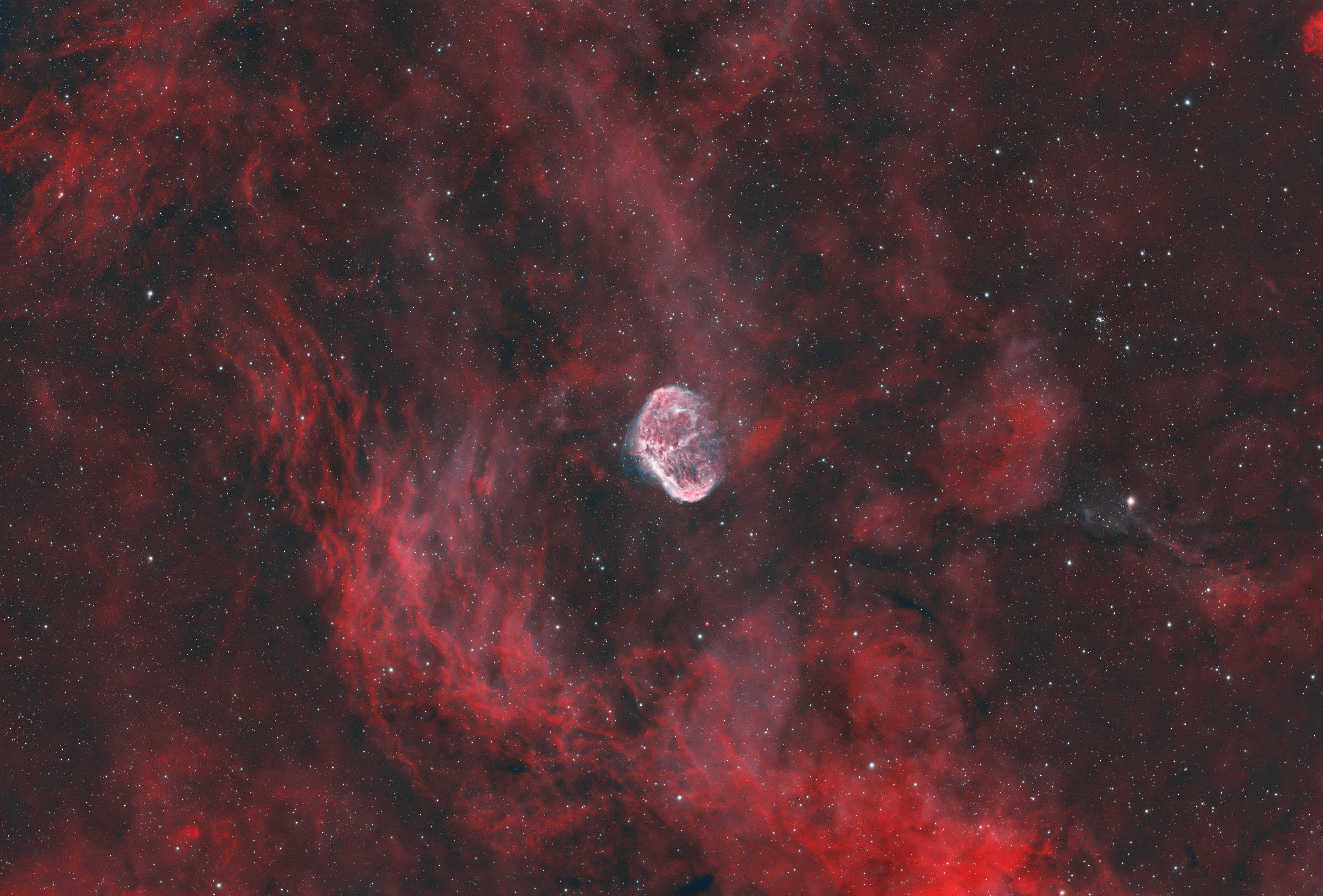
NGC 6888 | Hang | ASKAR 80ED + 0.7x Reducer + ZWO ASI 2600MM Pro
These images are obtained with cooled large sensor cameras and dedicated accessories.
as a 1.0x corrector (flattener) or a reducer 0.7x, specifically designed for
the 80ED. They flatten the field and, with the reducer, increase speed and useful field,
which is ideal for large nebulae with low surface brightness.
Whether with a ASI2600MC / QHY268C or a monochrome camera and filters,
the scope holds up very well: wide field, well-corrected stars and a setup that remains light on the frame.
The 80ED is particularly suitable for :
Thanks to its modest, but well exploited, aperture, the 80ED can scan large fields
in the Cygnus, the summer Milky Way or the Orion region, while remaining at home on the Moon
and planets with suitable eyepieces.
 The 80ED in a complete setup
Integrated into a small, modern equatorial mount, equipped with a finder-guide and camera
dedicated Askar 80ED becomes an excellent setup core for imaging most large
nebulae and Milky Way regions. Its simple mechanics, versatile focal length and
ED make it a very pleasant instrument to live with for the amateur astronomer who wants to spend more time on his work.
time collecting photons than struggling with his equipment.