A compact fluorite triplet for wide fields of view
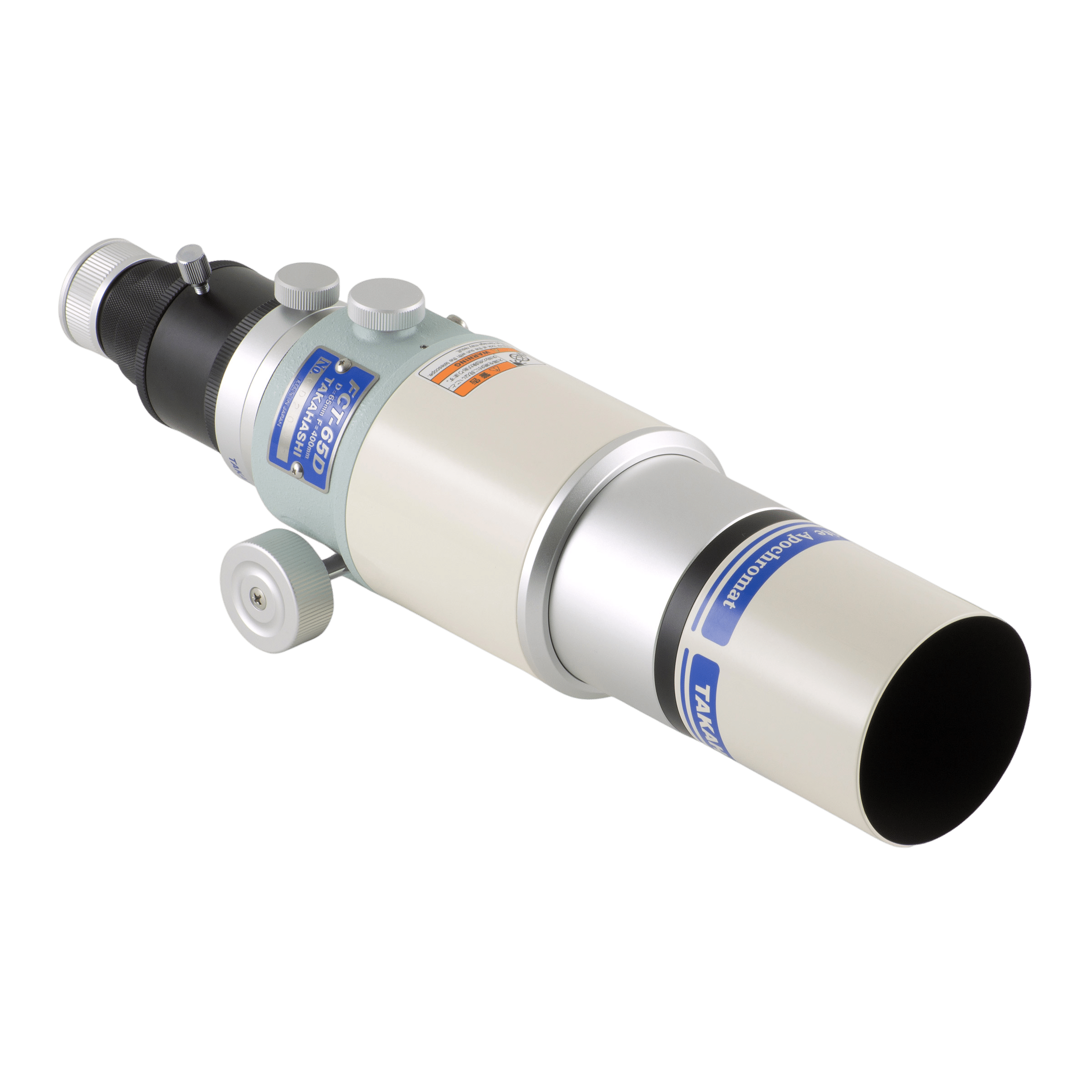
The FCT-65D combines a 65-mm objective with a native focal length of 400 mm. Its apochromatic fluorite triplet is assembled with an air gap and features multi-layer coatings. Part number TCK06510 refers to the optical tube only. Its short focal length is well-suited for wide-field photography, when used with a suitable corrector or reducer and a mount adapter of your choice.
Clearly Distinguish Between Native Lenses and Optional Lenses
At its native focal length, Takahashi specifies a relative aperture of F/D 6.2 and a backfocus of 199.2 mm. These specifications apply to the tube without any additional correctors. They do not apply to photographic configurations using a Multi-flattener or FU RD. The corrected field of 44 mm presented for these configurations should therefore not be automatically attributed to the tube alone. When preparing for imaging, the choice of supplementary optics must be made before selecting the rings and sensor spacing.
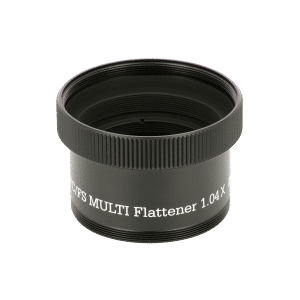
With the FC/FS Multi-flattener 1.04x
The FC/FS Multi-flattener MFL1.04X corrector brings the focal length to 416 mm and the relative aperture to F/D 6.4. In this configuration, the manufacturer specifies a corrected image circle of 44 mm. The backfocus of 56.2 mm is measured from the rear of the Multi CA Ring 65D. This reference point is just as important as the value itself: using a different measurement surface would result in a different spacing. The Multi-flattener and photographic adapters are available as options.
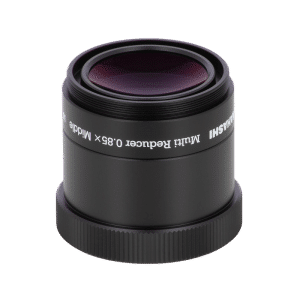
With the FU RD 0.65X gearbox
The second configuration detailed in the manufacturer's specifications uses the FU RD 0.65X. The focal length then becomes 260 mm, with an aperture of F/D 4 and a corrected image circle of 44 mm. The mechanical flange focal distance of 56.2 mm is measured here from the rear of the CA-35 FURD No. 19 ring. The reducer consists of four lenses, one of which is made of fluorite. Its placement within the focusing system explains the widening of the rear section of the tube. The reducer is available as an option.
A mechanical consideration to keep in mind during installation
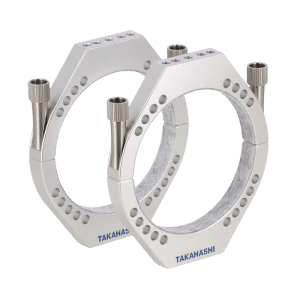
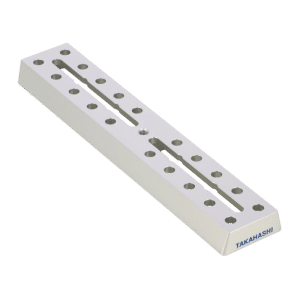
The tube is 403 mm long, with a stated diameter of 95 mm and a dew shield of 80 mm. Its stated weight is 1.9 kg. Focusing is via a rack-and-pinion mechanism. The widened shape of the rear section limits the tube’s range of motion within the clamps; therefore, the choice of mounting and balancing must be evaluated with the complete imaging system. The product description mentions an optional pair of Vixen dovetail clamps, but these components are not included with the tube-only purchase.
Setting Up the Correct Optical Path
The 2025 catalog notes that the telescope and its standard attachments alone do not necessarily allow for infinity focus: depending on the intended use, an angled mirror, a prism, or an extension tube may be required. Refer to the diagram corresponding to your intended use before adding a camera or eyepiece. The values in the table are grouped by configuration to make it easier to choose the right setup.
Reference Composition
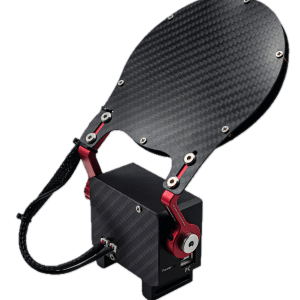
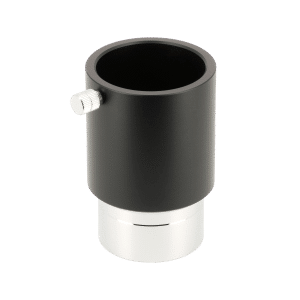
FCT-65D TCK06510 optical tube. Mounting clamps and the dovetail are not included; the FU RD 0.65X reducer and the Multi-flattener are sold separately. The Takahashi 2025 catalog lists the Camera Angle Adjuster S TKA21200N and the Coupling TKP35001 among the standard accessories included with this model. The mount adapter must be selected separately.
Manufacturer sources
Takahashi TCK06510 Official Spec Sheet ; Takahashi 2025 catalog, PDF page 9.
Accessories for Your System
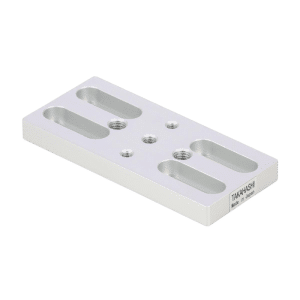
These accessories are sold separately from the optical tube. For a photographic setup, be sure to use the connectors and spacing specified for your chosen configuration.