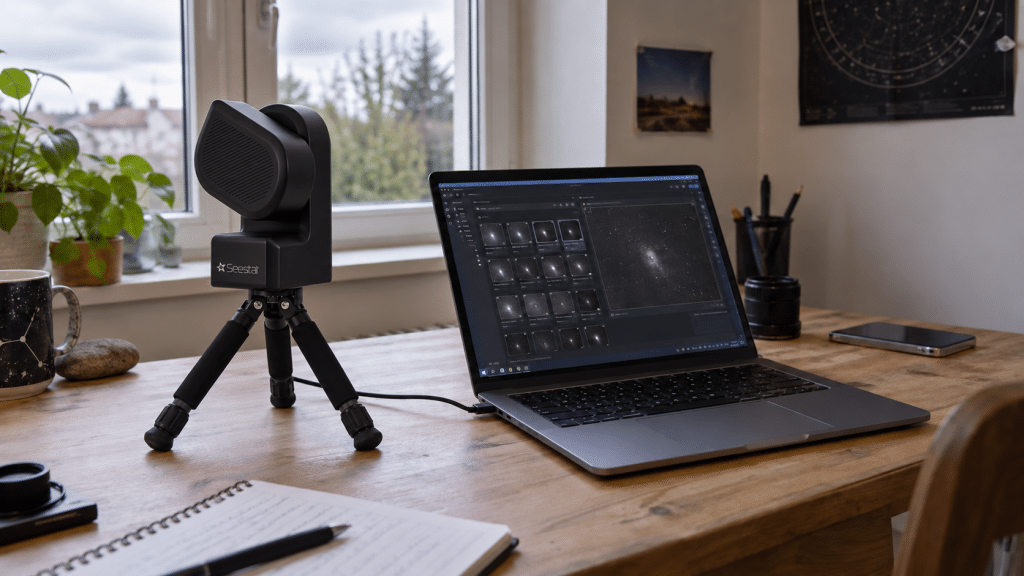
Connected telescopes let you photograph the deep sky without having to master every step of astrophotography right away. The instrument handles alignment, tracking, and image stacking. As the observation progresses, a galaxy or nebula appears on the phone’s screen. This simplicity, however, doesn’t prevent you from taking your own […]
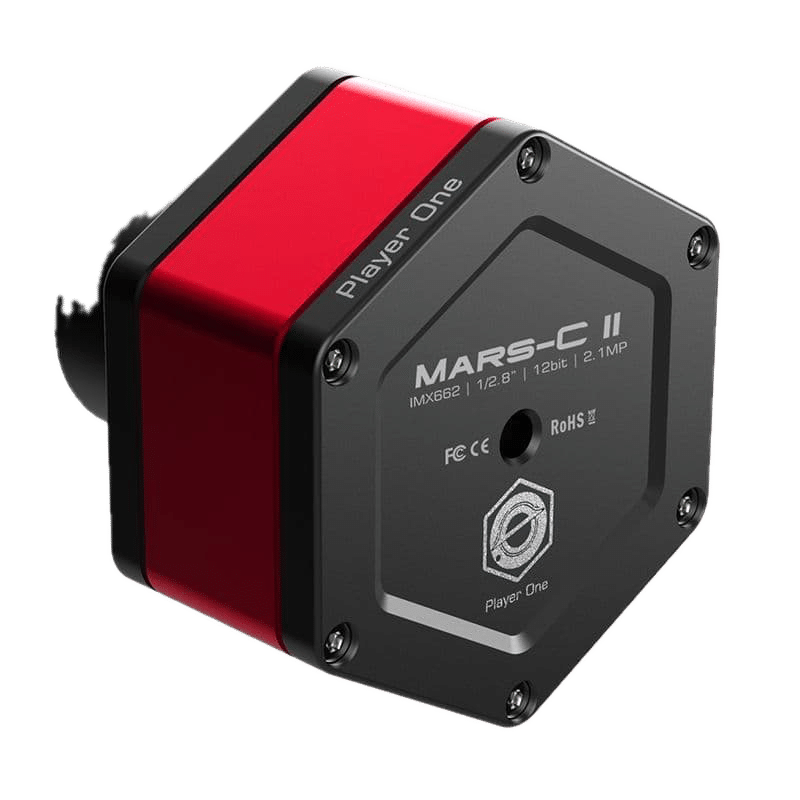
Choosing an astrophotography camera becomes much easier when you start by defining how you’ll use it. You don’t choose a camera for nebulae and galaxies using the same criteria as you would for Jupiter, the Moon, or the Sun. For deep-sky photography, I first look at the sensor size, cooling, and noise […]
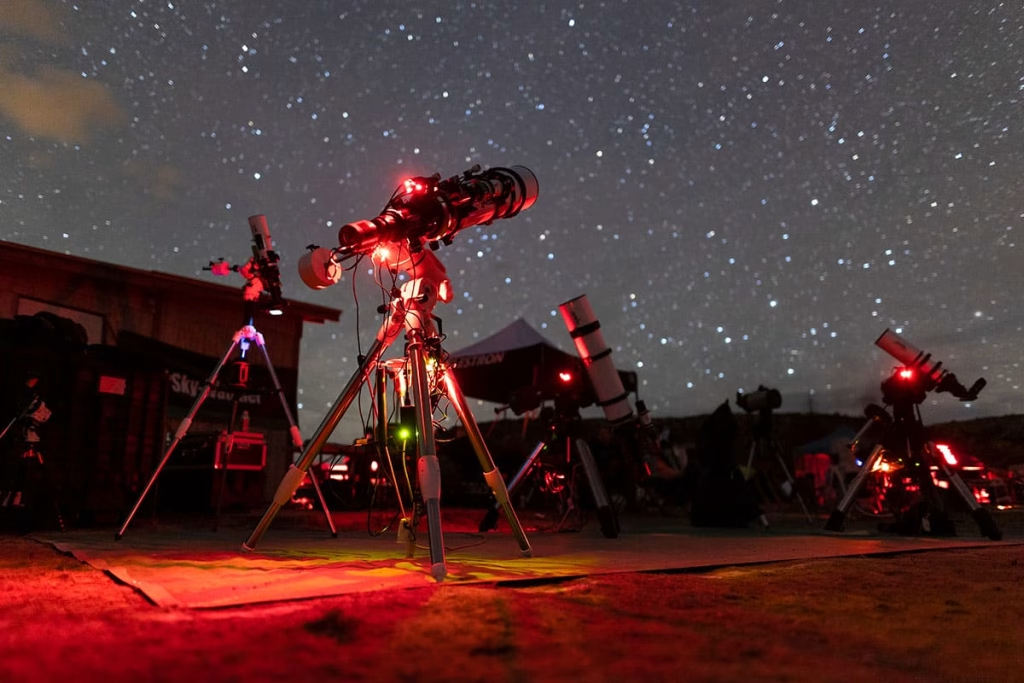
Which telescope should you choose to get off to a good start in astronomy in Switzerland? The choice depends mainly on your goals: observing the Moon and the planets, exploring deep-sky objects, having a compact instrument, or getting into astrophotography. For visual observation, the Dobsonian remains our top recommendation. Its simple mount allows you to spend […]
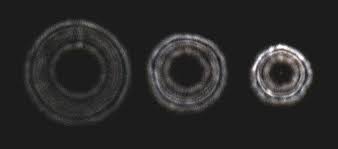
Collimation of a Schmidt-Cassegrain telescope: the complete guide (Celestron NexStar Evolution) | Deep Space Astronomy Practical guide - Astrophotography How to collimate a Schmidt-Cassegrain telescope Star test, secondary mirror adjustment and all our advice to give your Celestron NexStar Evolution a perfectly sharp image. Level: beginner to advanced Reading: approx. 9 [...]
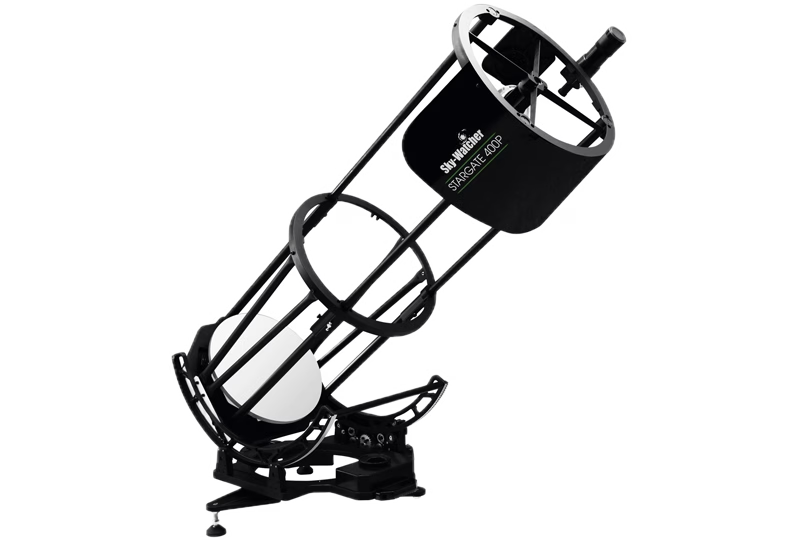
On some Sky-Watcher Stargate motorized Dobson telescopes, notably the Sky-Watcher Stargate 400P GoTo, it can happen that the altitude drive belt gradually shifts as the telescope climbs towards the zenith. The symptom is fairly typical: at low altitude, everything seems to be working normally; at around 45°, the belt starts to shift; near [...]

A telescope is two things: a mirror (or optical system) that collects light, and a set of eyepieces that transform this light into images. The tube does 80 % of the work; the eyepieces do the 20 % you actually see. You might as well choose them carefully. This article is aimed at owners (or future owners) of [...].
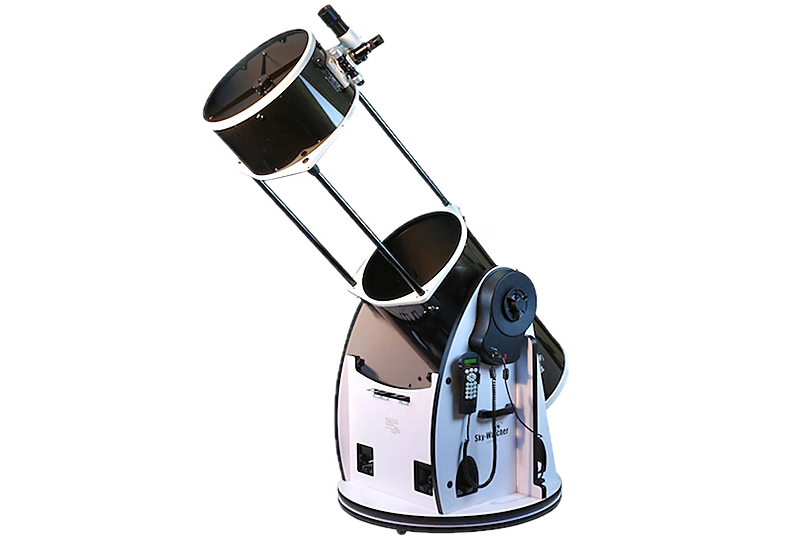
You've just unpacked your brand new Dobson GoTo Sky-Watcher - perhaps a 200, 250 or the famous 305P FlexTube SynScan - and you can't wait to discover the wonders of the deep sky without searching for your targets for hours. You launch the alignment, carefully center your first star... and then, when the telescope starts [...]

Hello everyone, I'd like to introduce you to a rather colorful nebula in summer: IC1396, better known as the Elephant Trompe. My father sees it more as a woman with a vaporous face. How about you? In any case, this image was taken in rather poor conditions. It's very low on the [...]
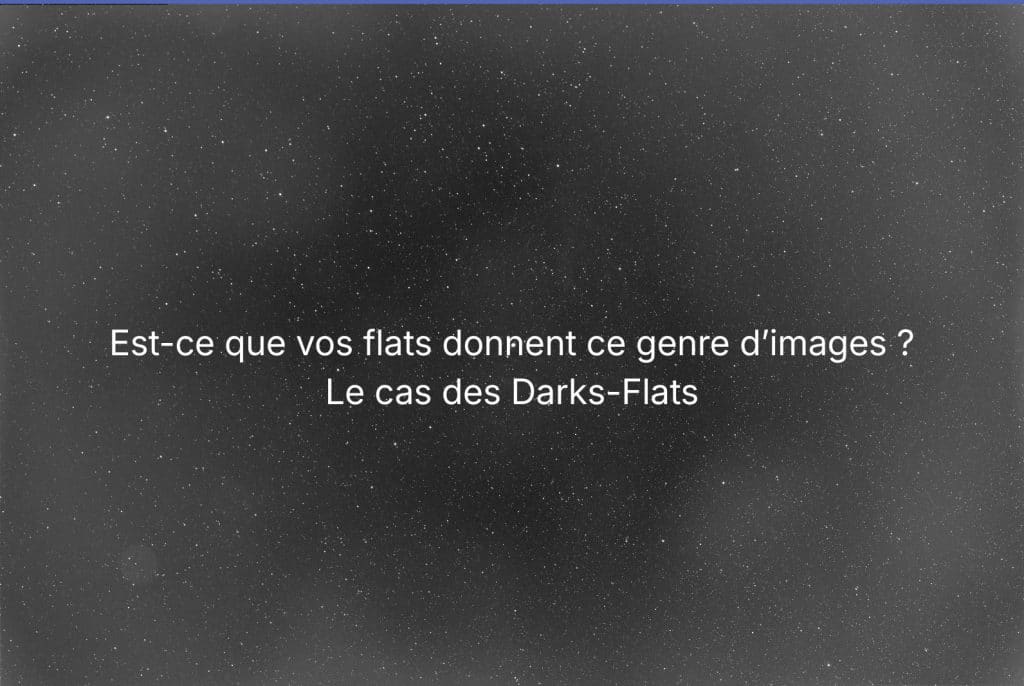
For years, with my old CCD and its small 11×11 mm sensor, I didn't ask myself too many questions. I'd shoot as many exposures as possible, throw it all into integration, and leave PixInsight to clean up afterwards. A few corrections here, a little gradient there - I was good to go. Then I [...]

First light: The Rosette in SHO from my rooftop in the middle of the city That's it, my first image is out! 🎉 Those of you who follow me will know that I was setting up a new setup with a rather crazy brief: to shoot deep sky (and especially extended nebulae) from the roof [...].