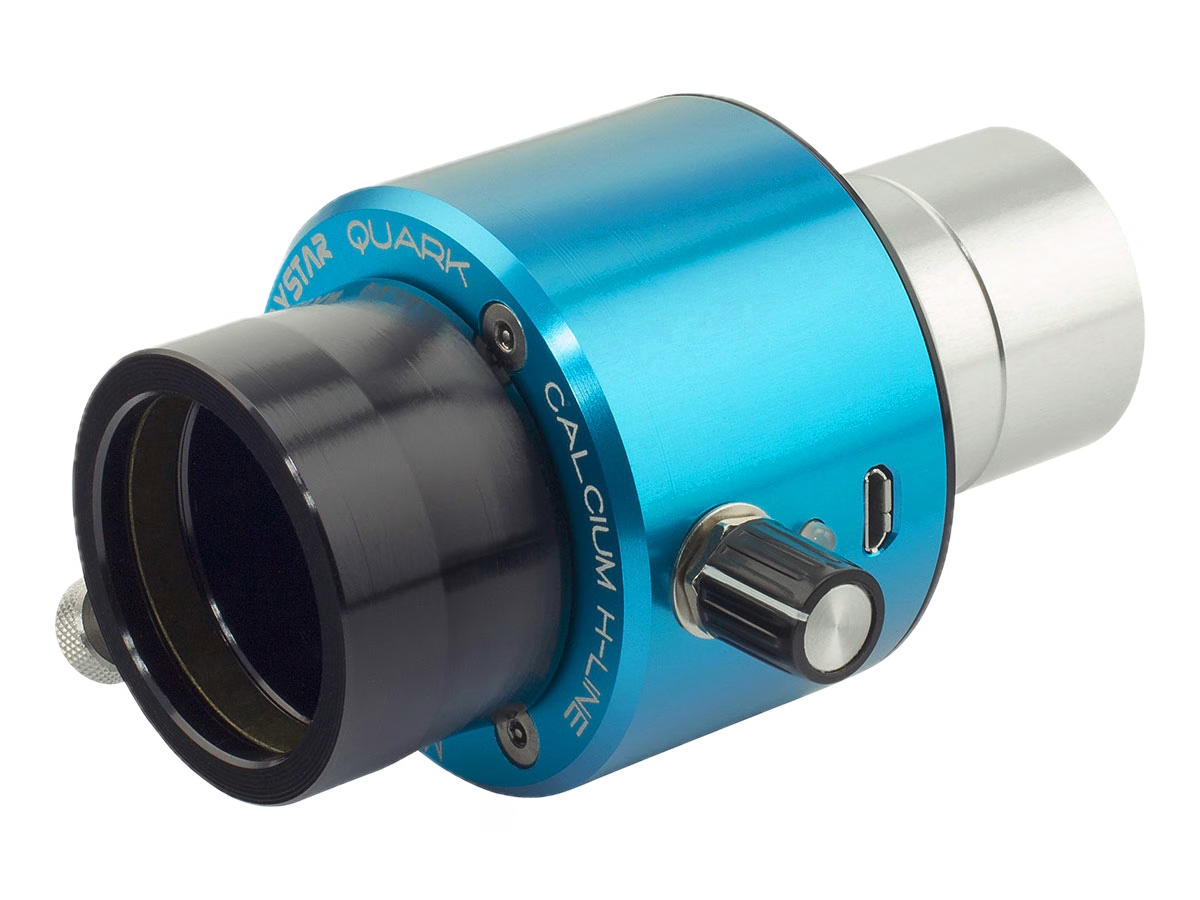
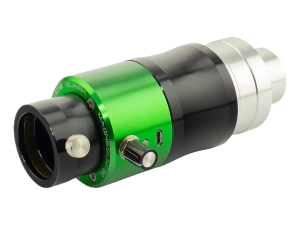
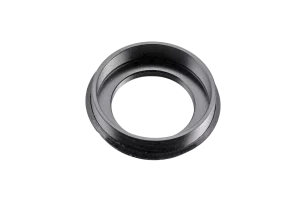
Daystar Quark Calcium H-line
Description
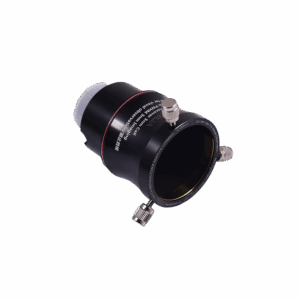
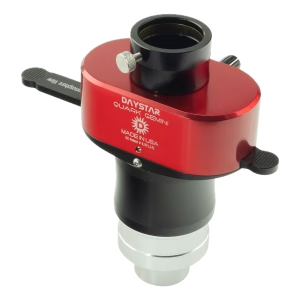
The Quark Calcium H-line takes the practical, all-in-one concept of the original Quark, but optimized for the stingray Calcium H (397 nm).
Designed for F/7 or moreIt allows both amateur and advanced astronomers to easily explore solar activity in Calcium.
Why choose Calcium H?
Stingrays Calcium H and Calcium K offer almost identical views of the solar surface.
However, many older astronomers do not perceive the K spectrum (393 nm) well. This is why the H-line (397 nm) is recommended for visual observation:
the longer wavelength makes it accessible to a larger number of observers.
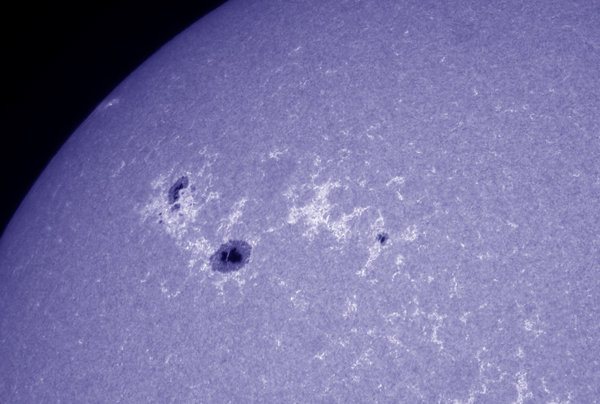
With this filter, you can see :
- active regions and shiny beaches,
- faculae and structures close to sunspots,
- the chromospheric network in contrast.
Another way to view the Sun with your telescope
Calcium H complements the observation by H-alpha with a focus on active regions and the chromospheric network. It allows you to expand the capabilities of your solar equipment without having to purchase a second dedicated telescope, once the configuration has been validated. Perception of the color violet varies from person to person: imaging is a useful option for comparing and sharing observations.
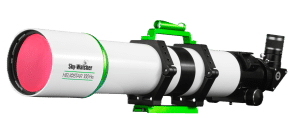
Calcium-Specific Compatibility: Refractors with an F/7 or higher focal ratio, without a built-in Barlow lens. The filter must be suitable for this spectral line: red or yellow ERF filters are not suitable. See the Official Recommendations from Calcium Quark and have your edit approved.
Moving from visuals to imagery
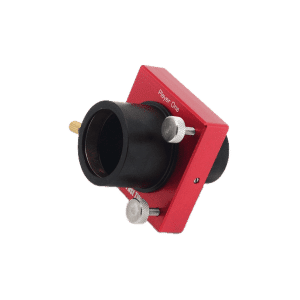
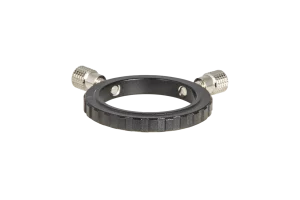
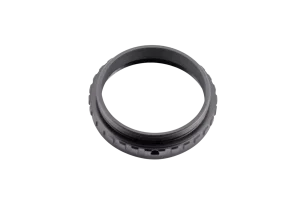
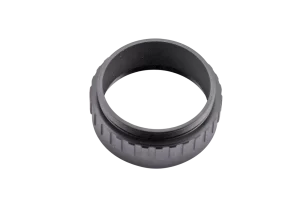
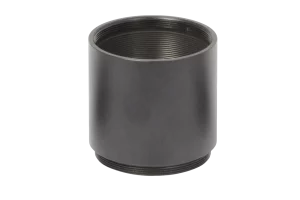
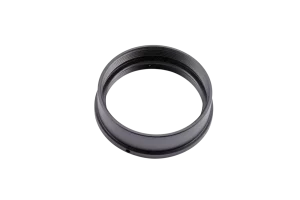
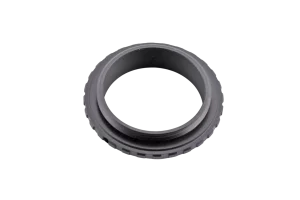
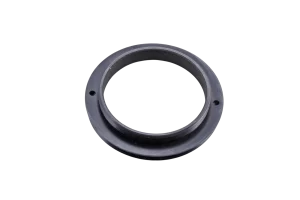
Visit DayStar Solar Accessories allow you to adapt the connection to the eyepiece or camera: 1.25-inch or 2-inch connectors, T- or C-mounts, and adapters, depending on the model. Thread compatibility, focus extension, and focus must be checked for each combination. Accessories are sold separately.
In astrophotography, a DayStar tilt adapter can help reduce Newton's rings. The results depend on the camera and the settings; see the Manufacturer's installation instructions to choose the right adapter.
Do you have a project for your club or school?
DayStar has been developing solar equipment for over 50 years. Whether for an introductory course, an educational activity, or an imaging program, Contact Deep Space Astronomy Please provide the model of your instrument, your camera (if applicable), and your lenses: we'll help you choose a suitable setup and provide a quote.
Key features
| Features |
Detail |
| Wavelength |
Calcium H - 397 nm |
| Bandwidth (FWHM) |
≈ 5 Å (variable according to instrument) |
| Compatible refractors |
F/7 or higher (shorter possible with Powermate 2x-2.5x) |
| Design |
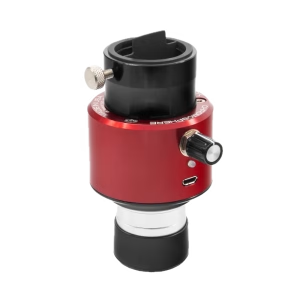
All-in-one, lightweight eyepiece format |
| Power supply |
USB, 5V 1.5A, low power consumption (optional portable battery) |
| Compatible ERF filters |
No red or yellow glass. Recommended: UV/IR cut filter |
| Optical treatment |
AR coatings optimized for 397 nm, internal baffling |
Safety and recommendations
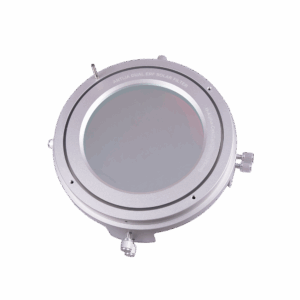
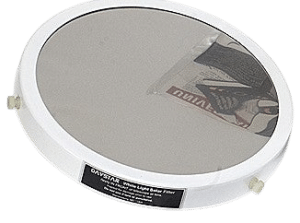
- A energy rejection filter (ERF) adapted to the telescope is required for safe use.
- The Calcium Quark cannot be used with a front-mounted ERF of the instrument.
- The use of a UV/IR cut filter is strongly recommended to protect the optics and the observer.
Summary
The Daystar Quark Calcium H-line makes solar observation in Calcium accessible, simple and affordable,
with a mount designed for the refracting telescopes specified by the manufacturer. Visual perception at this wavelength varies depending on the observer.
It's an ideal educational and scientific tool for exploring chromospheric phenomena.
* The Quark is a product of DayStar Instruments, using Fabry-Pérot etalon technology.