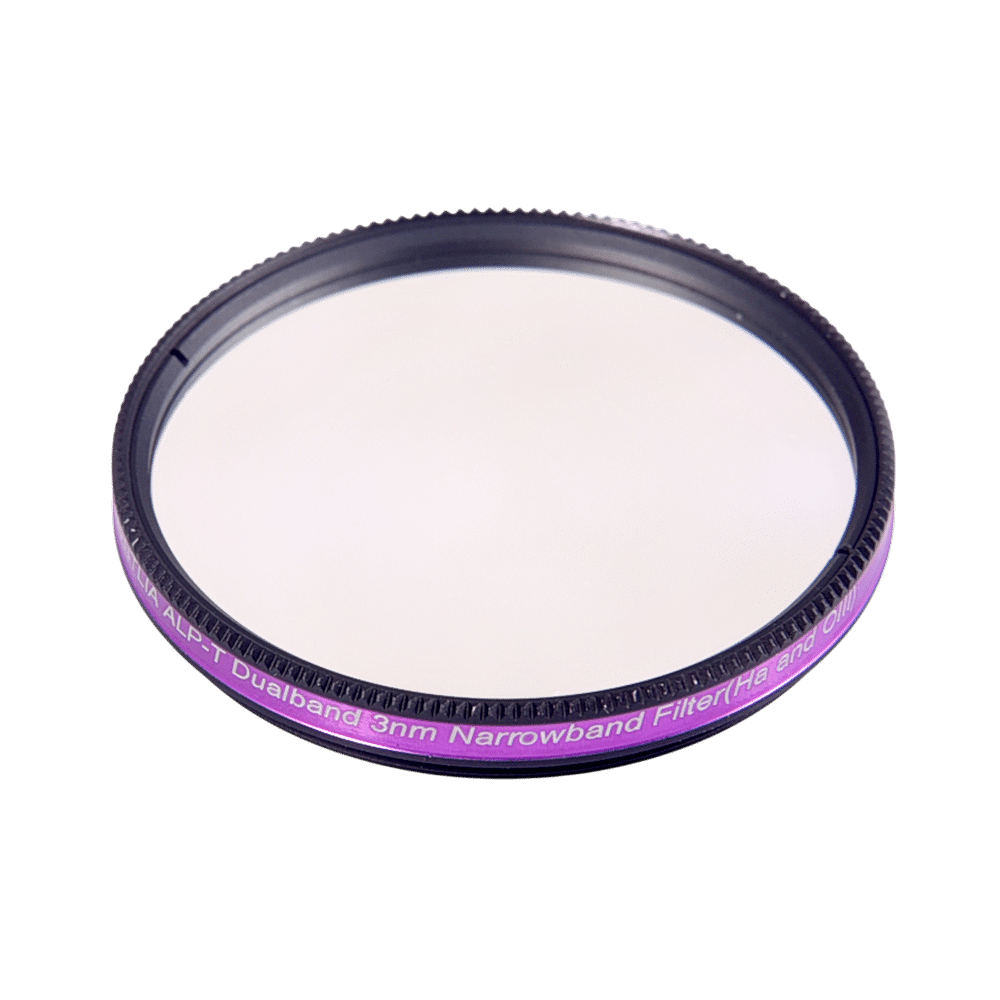
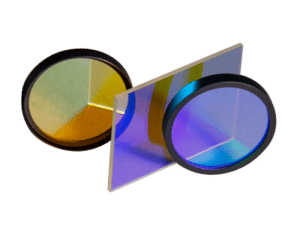
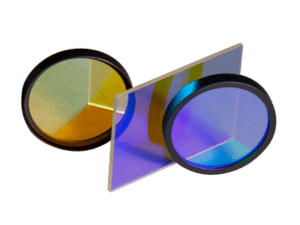
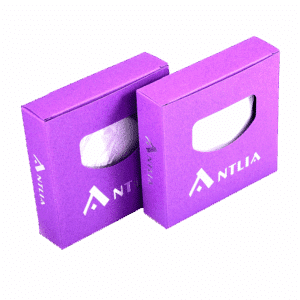
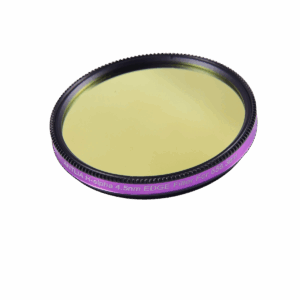
Antlia ALP-T Dualband 3nm Ha&OIII filter
The Antlia ALP-T Dualband 3nm Ha&OIII filter is an ultra-narrow dual-band filter that transmits red H-alpha (656.3nm) and blue-green OIII (500.7nm) lines. Designed primarily for color cameras (OSC), it considerably improves the signal-to-noise ratio in deep-sky astrophotography, even under light pollution or moonlight.
Key features
- Simultaneous transmission of H-alpha (656.3nm) and OIII (500.7nm) lines
- Ultra-narrow bandwidth of 3nm for each emission line
- OD4.5 suppression of unwanted wavelengths (300-1100nm)
- Designed for color cameras, but equally effective with monochrome cameras
- Special anti-reflective coating eliminates halos
- NIR blocking up to 1100nm
- Can be used with f/4 aperture lenses and slower (prefer Highspeed version below f/4)
- Enhanced durability through Ion Gun Assisted Deposition coating on double-sided polished substrate
Ideal applications
- Imaging H-alpha and OIII emission nebulae
- Urban and rural photography
- Creation of false color palettes and enhanced SHO images
- Optimizing imaging time with OSC and monochrome cameras
Technical specifications
- FWHM: 3nm (+0.6/-0.1nm)
- Maximum transmission: 90% in H-alpha, 82% in OIII
- Out-of-band blocking: ≥OD4.5 between 300nm and 1100nm
- Thickness: 2mm ± 0.05mm
- Unglued single-piece optical substrate
- Surface quality: S/D 60/40 (MIL-O-13830)
- Transmitted wavefront: λ/4 or better
- Parallelism: <30 arcsec
- Mounting: 2” (M48x0.75), ultra-thin to minimize vignetting
Coating technology and reliability
- Ion Gun technology for enhanced spectral stability
- Anti-halation coating to limit internal reflections
- Blackened edges to eliminate stray reflections
- Durable black anodized finish with laser engraving
Use in combination
Combined with the Antlia ALP-T Dualband 3.5nm SII&Hb filter, it simultaneously captures the 4 main channels (Ha, OIII, SII, Hb), offering maximum post-processing flexibility for Hubble palettes and other artistic compositions.
Warnings
- Not recommended for solar imaging
- Not recommended for night-time visual observation
- Never look directly at the sun with this filter: serious risk of eye damage.