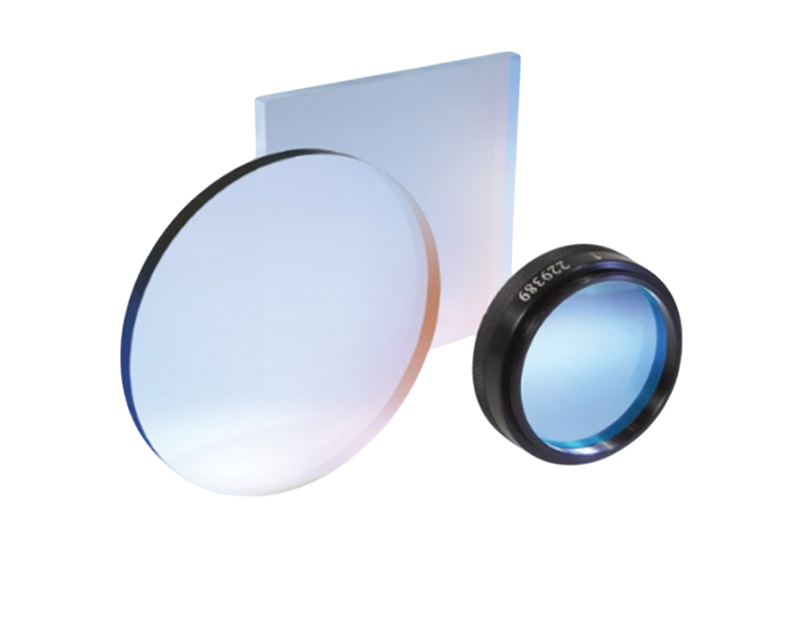
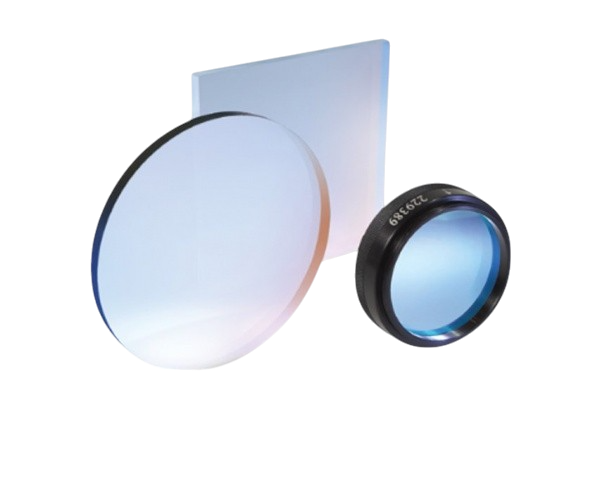
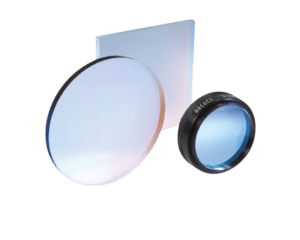
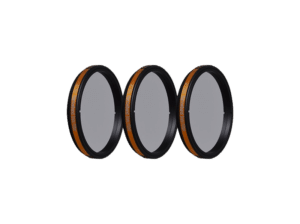
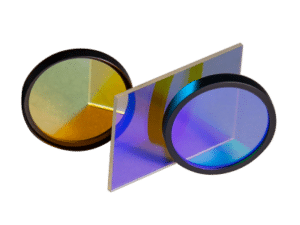
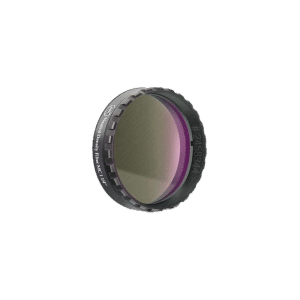
Chroma SII 3nm filter
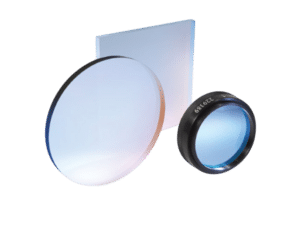
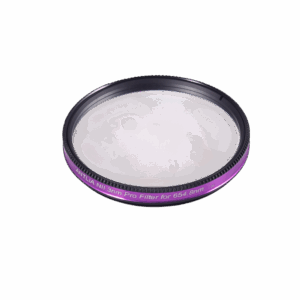
Visit Chroma SII 3nm filterspecially optimized for high-speed optical systems with focal ratios between f/2.8 and f/3.6, is designed for narrow-band astronomical imaging. It isolates the ionized sulfur emission line (SII) at 671.6 nm and 673.1 nm, essential for revealing details in planetary nebulae, emission nebulae and supernova remnants.
Key features
- Ultra-narrow bandwidth of 3 nmAllows precise isolation of the SII line while effectively blocking unwanted wavelengths, such as those from light pollution or natural night emissions.
- Optimized for high-speed systems (f/2.8 to f/3.6)Designed to compensate for the blueshift that occurs with low-focal-ratio telescopes.
- Exceptional transmissionTransmission of up to 90 % at the center wavelength, offering an excellent signal-to-noise ratio.
- Robust constructionMultilayer sputter coatings for exceptional durability and long-term spectral stability.
- High-quality optical glass substrateSurface accuracy of λ/4, reducing optical aberrations.
Applications
- Imaging nebulae rich in ionized sulfurIdeal for capturing the complex structures of planetary nebulae and HII regions.
- Reducing light pollutionBlocks wavelengths from sodium and mercury lamps, as well as atmospheric luminescence.
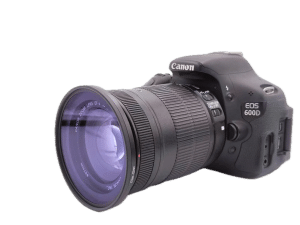
- Advanced astrophotography with high-speed systemsCompatible with modern CCD and CMOS cameras, optimizing performance on fast telescopes such as HyperStar or RASA systems.
Technical advantages
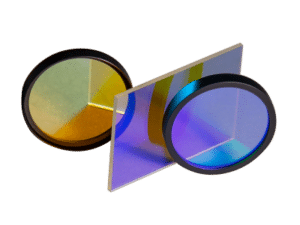
- Universal compatibilityAvailable in mounted (1.25", 2") and unmounted (36 mm, 50 mm) formats, to suit a wide range of filter wheels and optical configurations.
- Anti-glare designAnti-reflective coatings on both sides to eliminate halos around bright stars.
- Guaranteed spectral accuracy: Each filter is individually tested to ensure performance to exacting specifications.
Conclusion
Visit Chroma SII 3nm filter optimized for f/2.8 to f/3.6 is an essential tool for astrophotographers using fast optical systems. Its ultra-narrow bandwidth, exceptional transmission and blueshift optimization guarantee images rich in detail and unrivalled contrast, even under polluted skies.