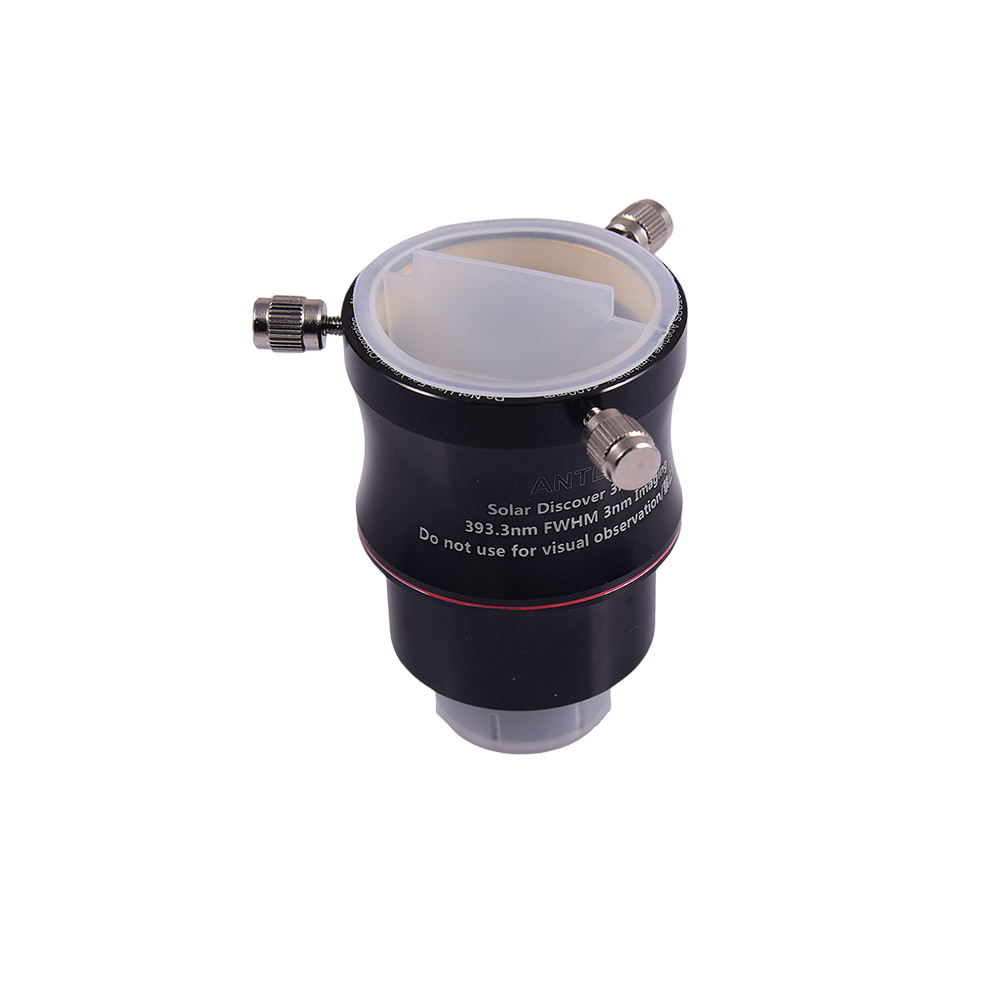
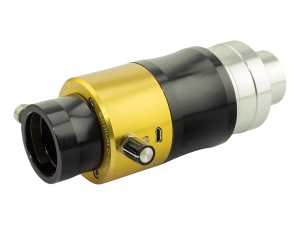
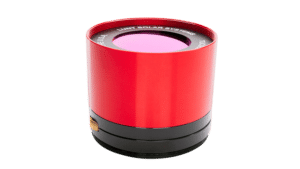
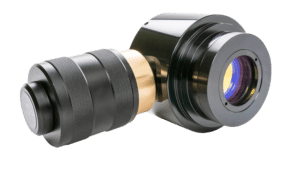
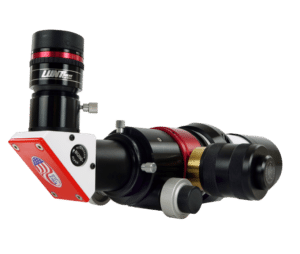
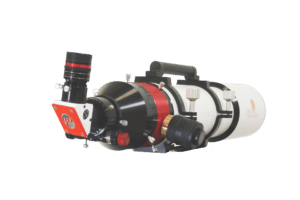
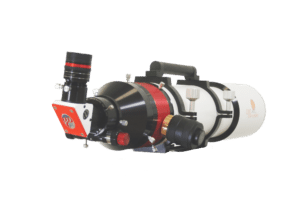
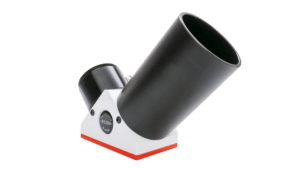
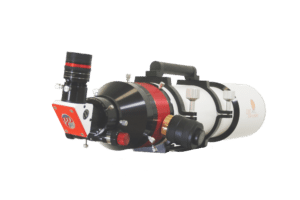
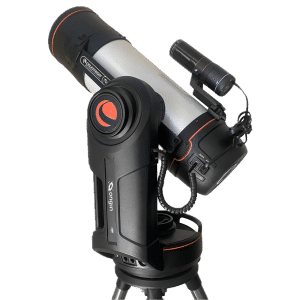
Antlia Solar Discover 3nm CaK filter
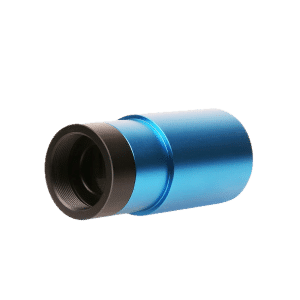
The Antlia Solar Discover 3nm CaK is an advanced solar imaging solution, designed to maximize the contrast of sunspots, surface granulation and other details visible in the Calcium II K line at 393.3nm. The assembly incorporates an ultra-narrow 3nm filter with high OD5 blocking (0.001%) to reduce solar heat gain and enhance the safety of photographic observation.

Key features
- Ultra-narrow 3nm integrated filter centered on 393.3nm (Calcium K-Line)
- OD5 blocking to reduce solar heat gain
- Closed tubular structure machined from CNC aerospace aluminum
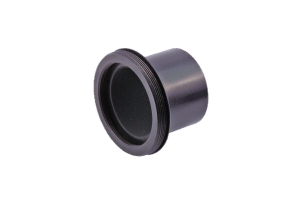
- 1.25″ and 2″ adapters supplied
- Sealed assembly prevents light leakage
- Designed for imaging only, not recommended for visual observation
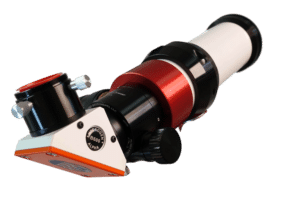
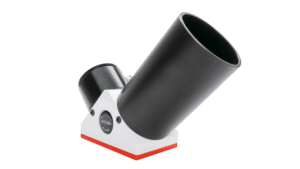
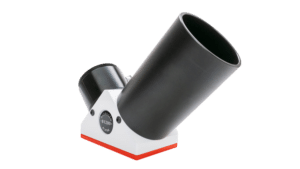
- Installation similar to traditional solar Herschel prisms
Important installation information
- When using a zenithal mirror, the ERF must be installed correctly to ensure safety.
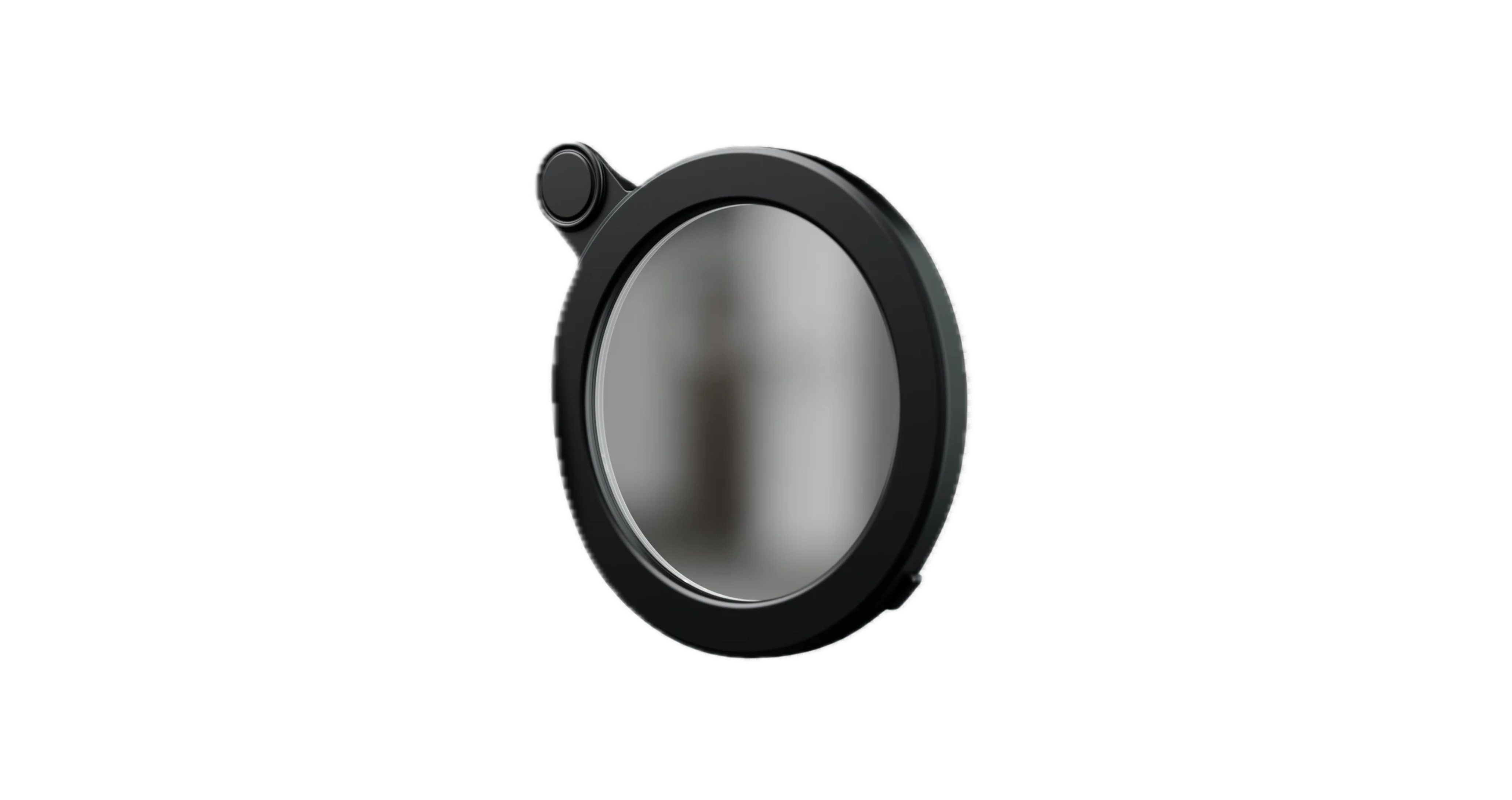
- For telescopes with diameters greater than 100mm, the addition of a light reduction solution (ERF, solar films) is necessary.
- Without additional reduction, use limited to refractors with ≤100mm aperture
About visual observation
The CaK band (393.3nm) is virtually invisible to the human eye. Consequently, the Solar Discover 3nm CaK assembly is intended primarily for photographic imaging. It is not recommended for visual use because of the difficulty of perceiving detail at this wavelength.
The IR coating differs slightly from ISO 12312-2 requirements for safe solar observation. For any visual use, it is imperative to ensure that all integrated filters are in perfect condition. Contact Antlia if you have any safety questions.
Transmission standards (ISO12312-2 vs Antlia)
- Tmax% (380-780nm): 0.0032%
- Tmin% (380-780nm): 0.000061%
- Tmax% UVB (280-315nm): 0.0032%
- Tmax% UVA (315-380nm): 0.0032%
- Tmax% IR (780-1700nm): 3%
Additional specifications
- Warranty: 3 years
- The warranty is void if the assembly is disassembled.
- No returns, exchanges or repairs accepted after disassembly
Safety precautions
- Never use without a suitable light reduction device on telescopes >100mm.
- Do not use for direct observation without safety filters.