
Vaonis will unveil Atlas, its new premium smart telescope, on October 15, 2026—exactly ten years to the day after Stellina. Teaser details: modular chassis, two optical apertures, rotating base. No specifications or prices have been announced. Comparison with the Vespera Pro 2, Dwarflab Draco, and Unistellar Odyssey Pro.
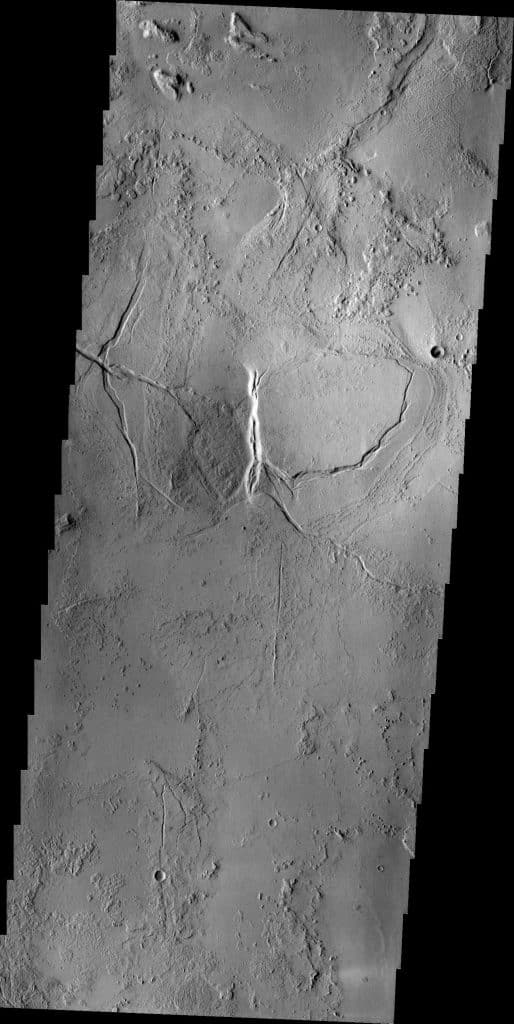
Mercury reaches its greatest eastern elongation on October 12, 2026: 25° east of the Sun, at a magnitude of -0.1. A practical observation guide: when to look, where to look, what equipment to use, and why it’s a challenge to find a clear horizon.
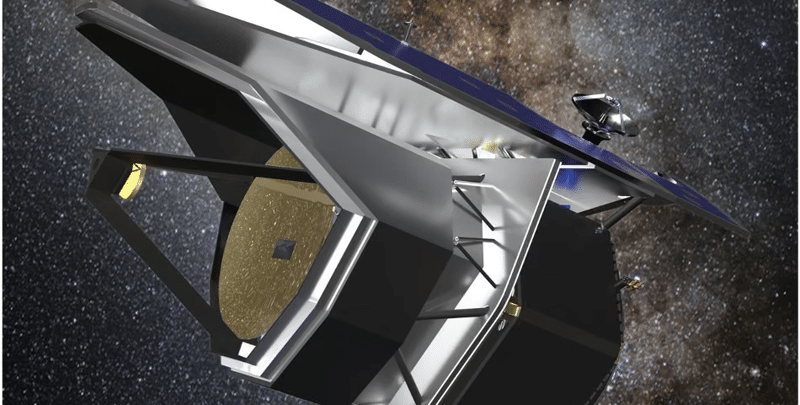
NASA has selected PRIMA, a 1.8-meter far-infrared space telescope cooled to 4.5 K, to explore the cold, dusty universe. The first mission in the new Probe Explorers class, with a planned launch in 2033. Popular Science: What is the far-infrared? Why isn’t the JWST enough? The FIRESS and PRIMAger instruments, and international partners.
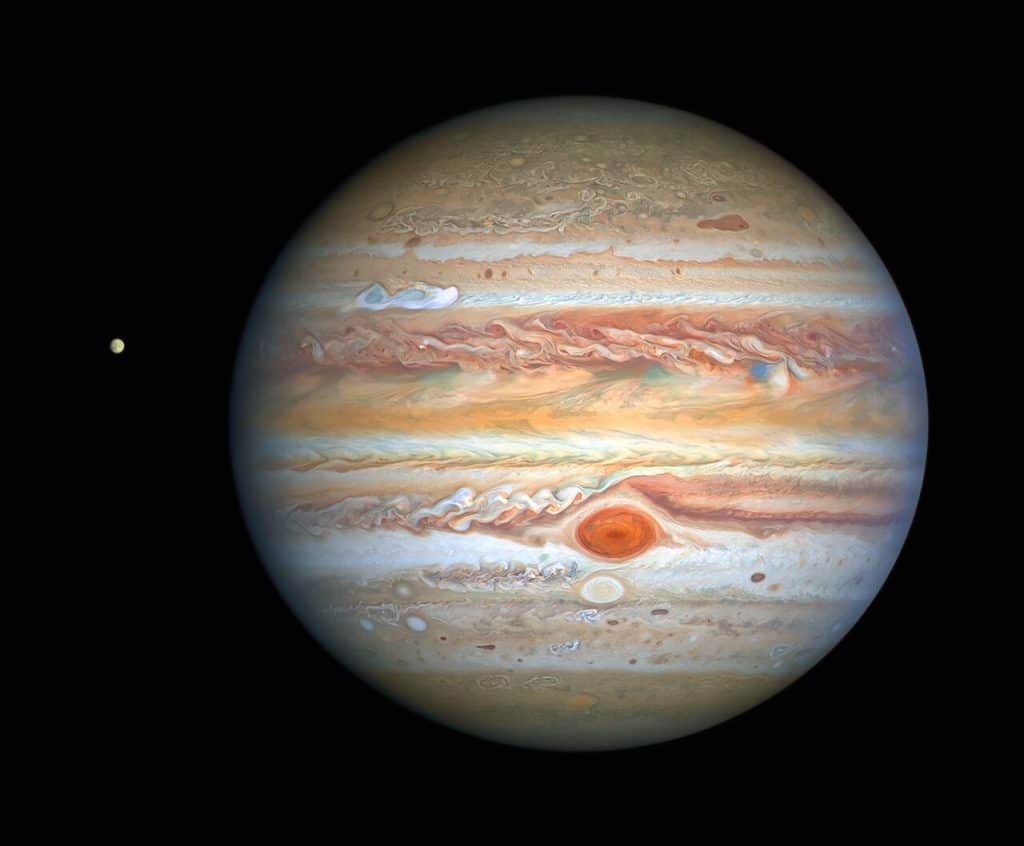
A practical guide to choosing a camera and Barlow lens for planetary photography: pixel size, sampling, final F/D ratio, frame rate, ROI, ADC, and coma corrector. Includes a real-world example using a 406 mm f/4 telescope and a monochrome IMX585 sensor. Tele Vue Barlow vs. Powermate, calculation tables, sources: Christophe Pellier and Christophe de la Chapelle.
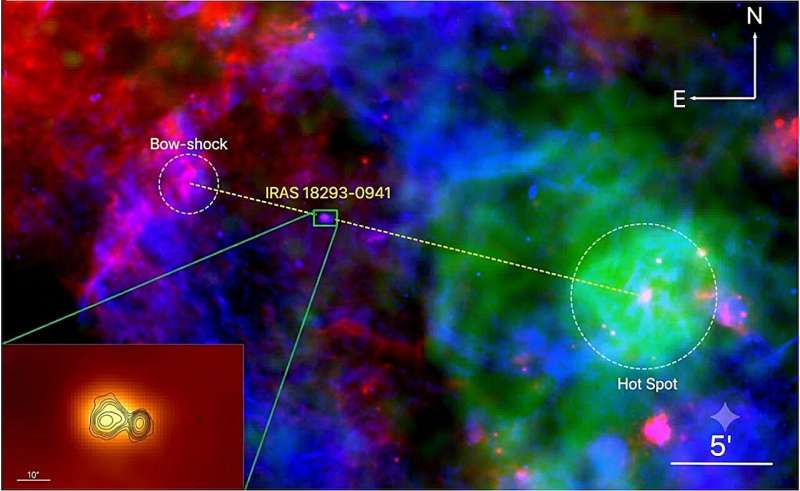
The first microblazar in the Milky Way was discovered in September 2026: IRAS 18293-0941, a stellar black hole with a mass of 10 solar masses, whose jet is pointing toward Earth. The jet strikes a molecular cloud 100 light-years away and accelerates particles there to 100 times the energy of the LHC. A 30-year-old prediction has been confirmed.
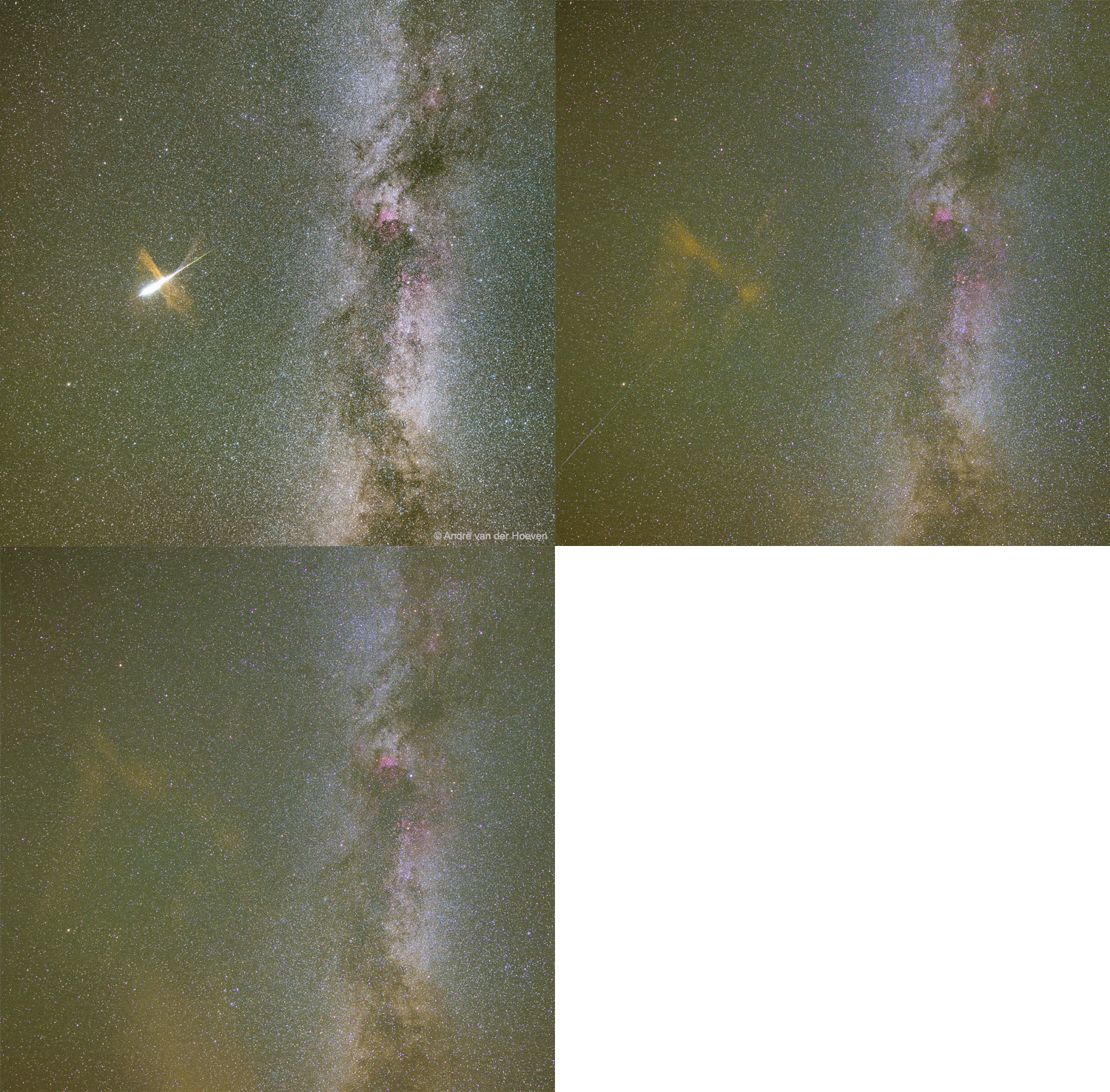
The Orionids are a meteor shower originating from Halley’s Comet. Peak on October 21–22, 2026, with fast-moving meteors traveling at 66 km/s and leaving lingering trails. In 2026, the Moon will set before dawn—providing a dark window for observation. A guide to observing with the naked eye and through a camera.
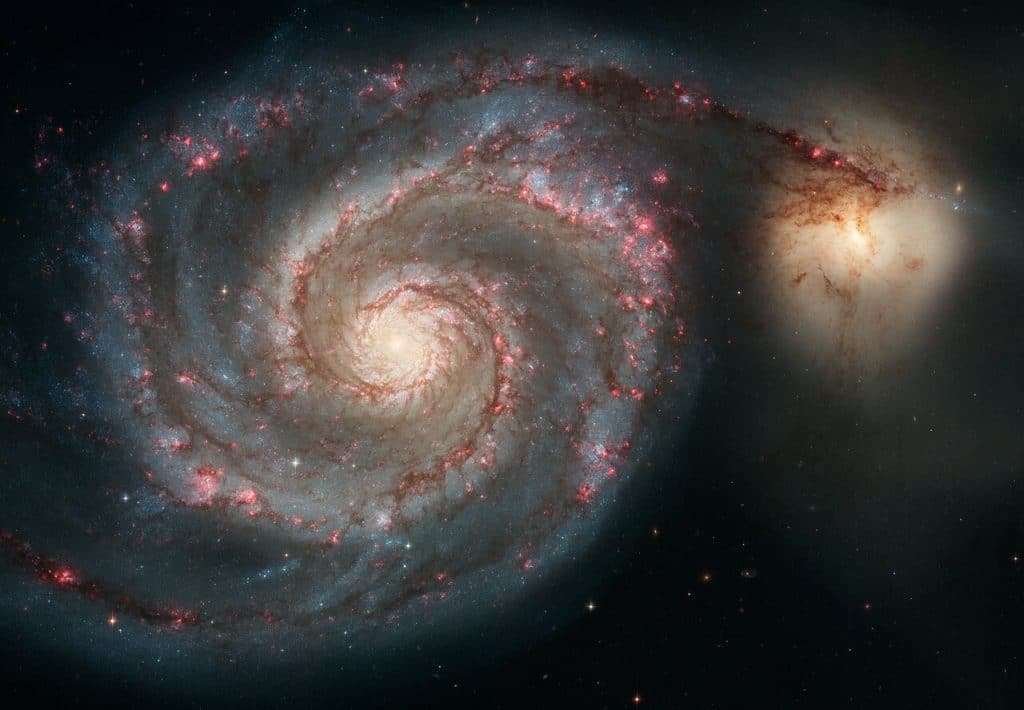
A comprehensive tutorial on processing an LRGB galaxy image in PixInsight: combining the RGB layers, color calibration, stretching, masking, local retouching, and adding the luminance layer. Step-by-step, for beginners and intermediate users.
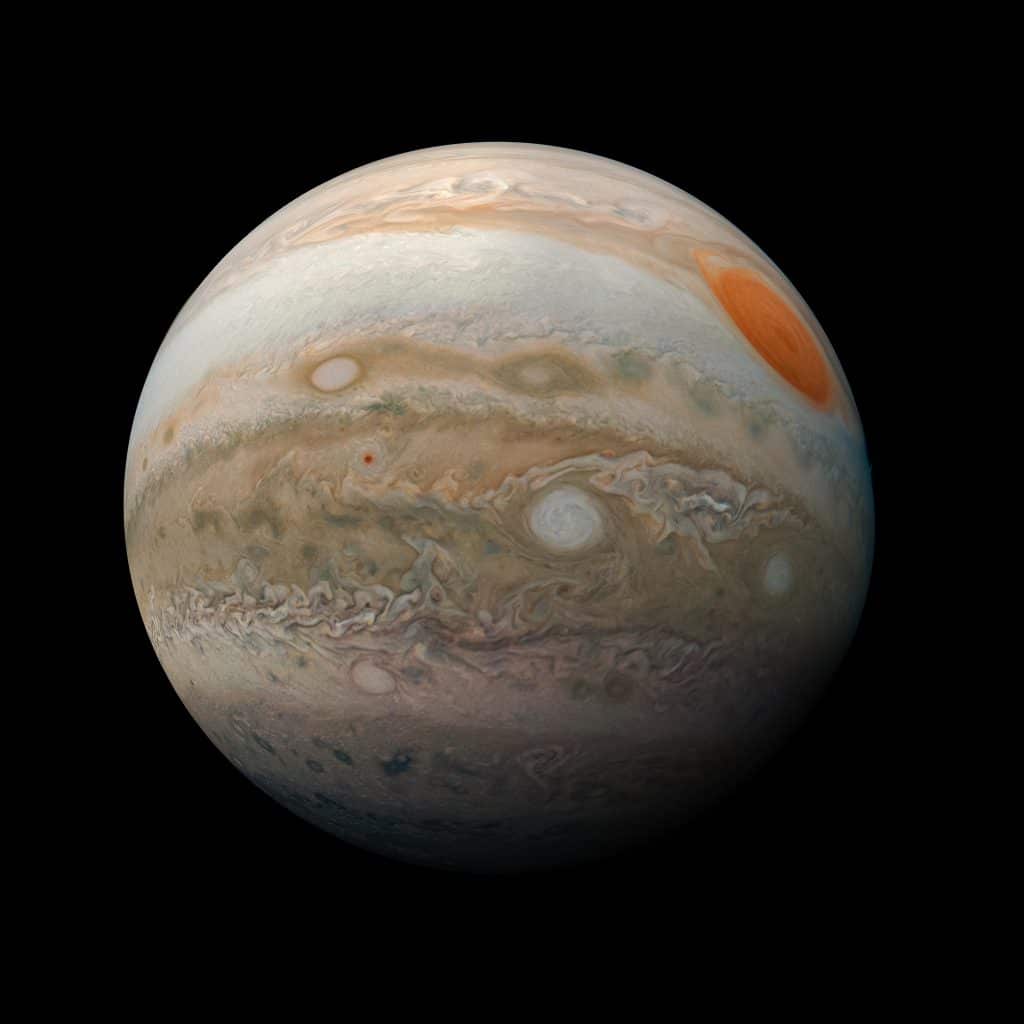
Every five years, the orbits of the Galilean moons align as seen from Earth. One moon eclipses another, or its shadow passes across another. Active period: late 2026–early 2027, peaking in mid-October. Observation guide for 100–150 mm telescopes, with predictions from IMCCE and Stellarium.
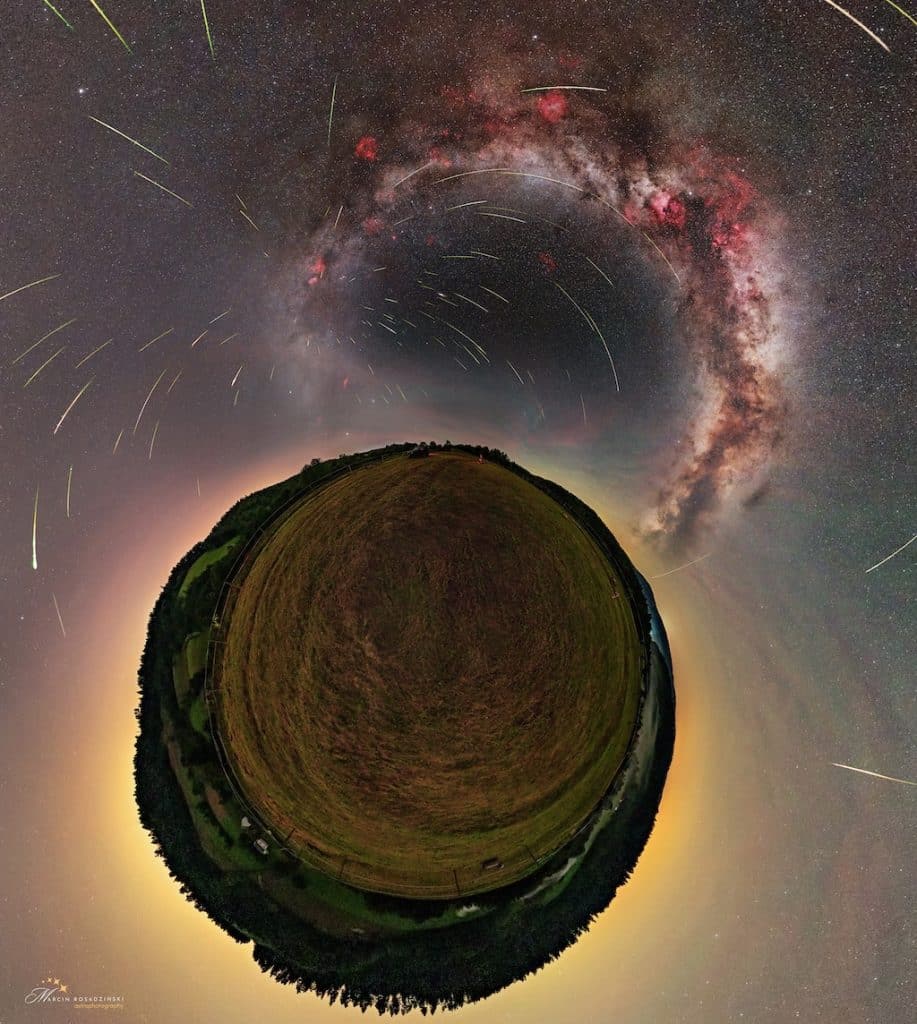
The Draconids are the most unusual meteor shower: best observed as soon as night falls on October 8, not after midnight. In 2026, the Moon will be virtually absent. A guide to observing with the naked eye and photographing with a digital camera and an intervalometer.
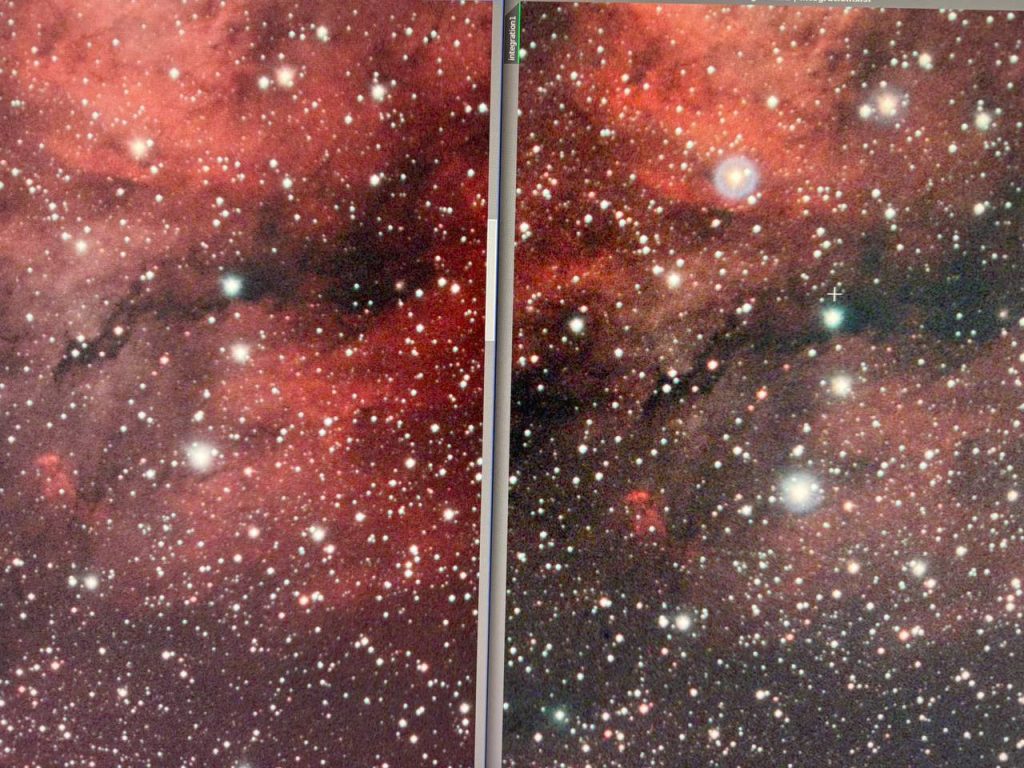
Halos around bright stars ruin narrowband images. One customer switched from Optolong to Antlia ALP-T: the difference in results speaks for itself. Technical explanation, comparison, and a guide to choosing between the standard and Highspeed series.