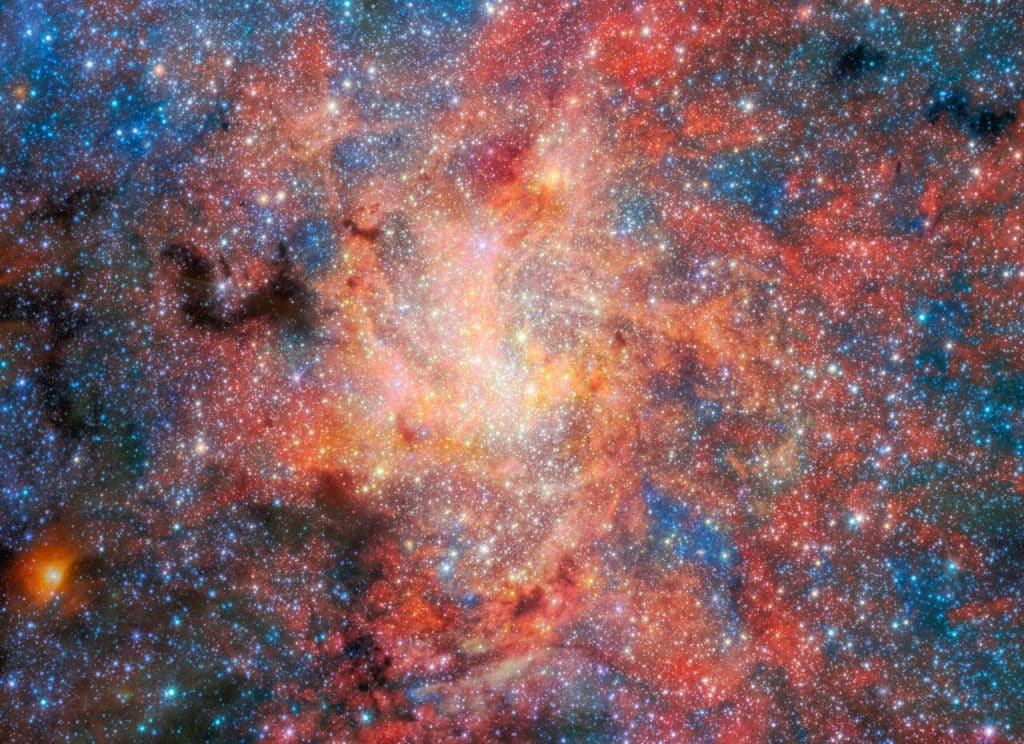
The James Webb Space Telescope has detected silicate dust and water for the first time around the star IRS 3, located 0.55 light-years from the supermassive black hole Sgr A* at the center of the Milky Way. This discovery shows that even in one of the most extreme environments, the chemistry of matter continues.
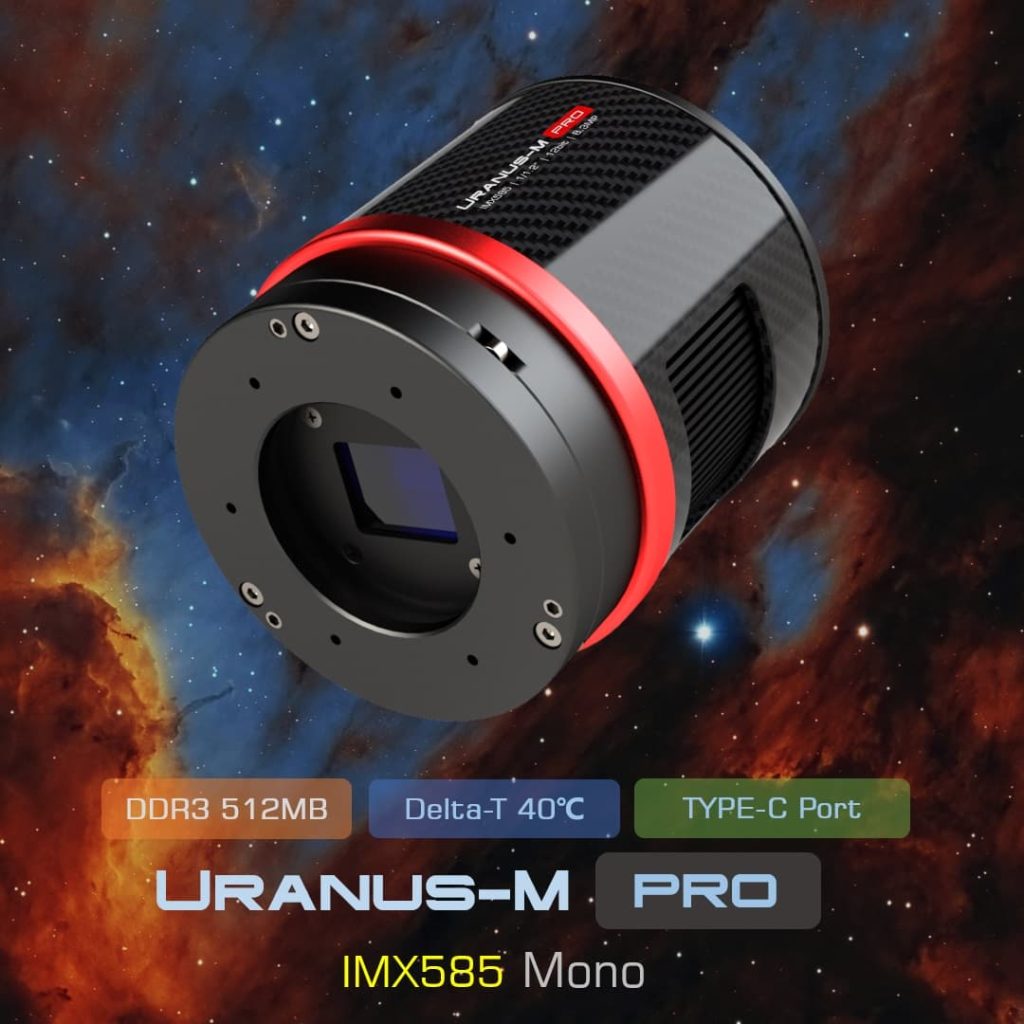
Player One Astronomy: high-quality construction, built-in dew heater, NINA and ASCOM drivers, cross-platform SDK. A brand that has won over astrophotographers with its responsiveness and customer service. I love working with them—they’re super responsive.
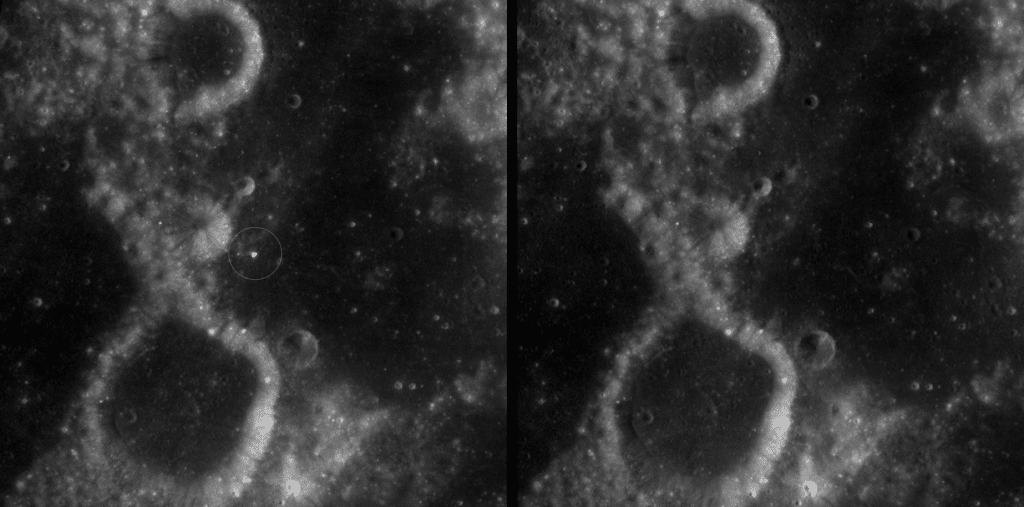
A 222-meter crater formed on the Moon in 2024, discovered by NASA’s Lunar Reconnaissance Orbiter. The event is described as a «once-in-a-century» occurrence. A guide to observing lunar craters visible through an amateur telescope.
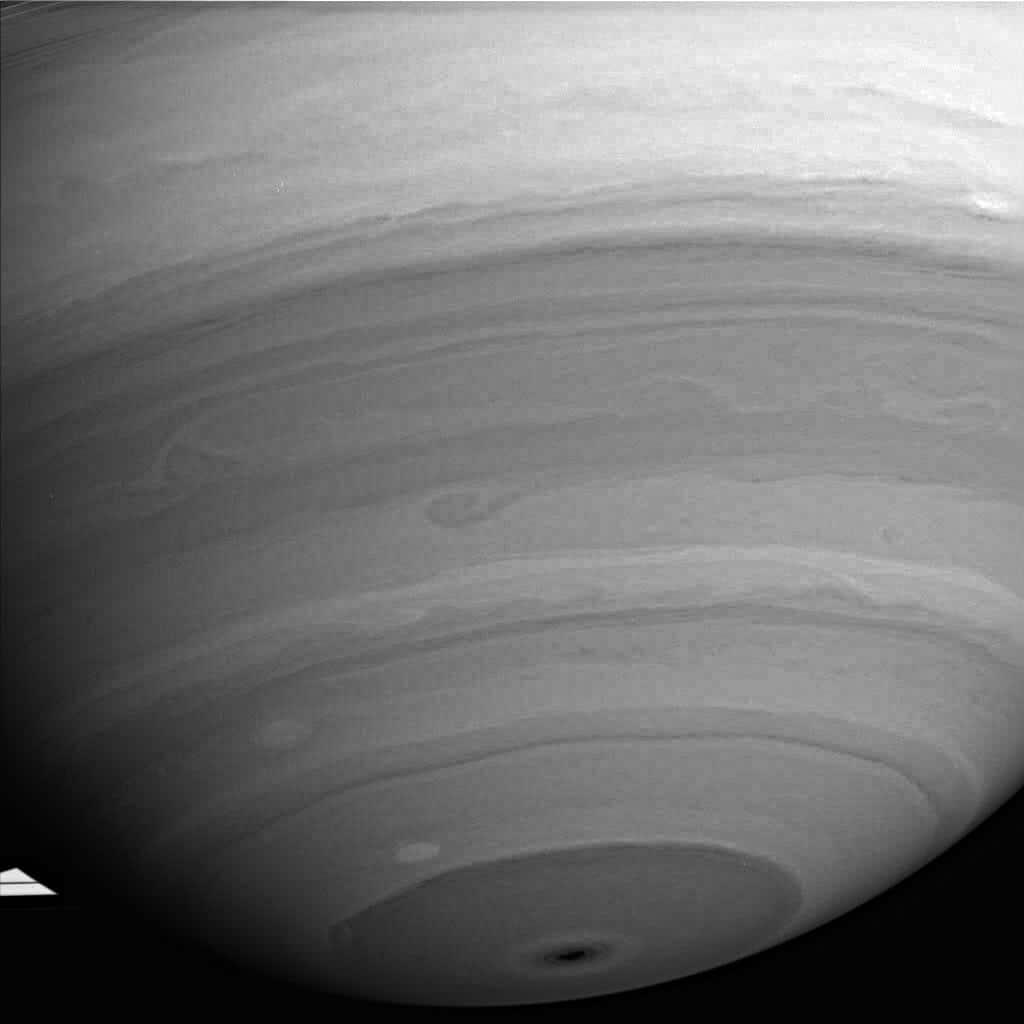
Saturn in opposition on October 4, 2026, in the constellation Cetus. Magnitude +0.33, rings visible at 9.15°. Cassini Division visible at 130 mm, bands and 5 moons visible at 200 mm. Complete observation guide for observers in Switzerland.
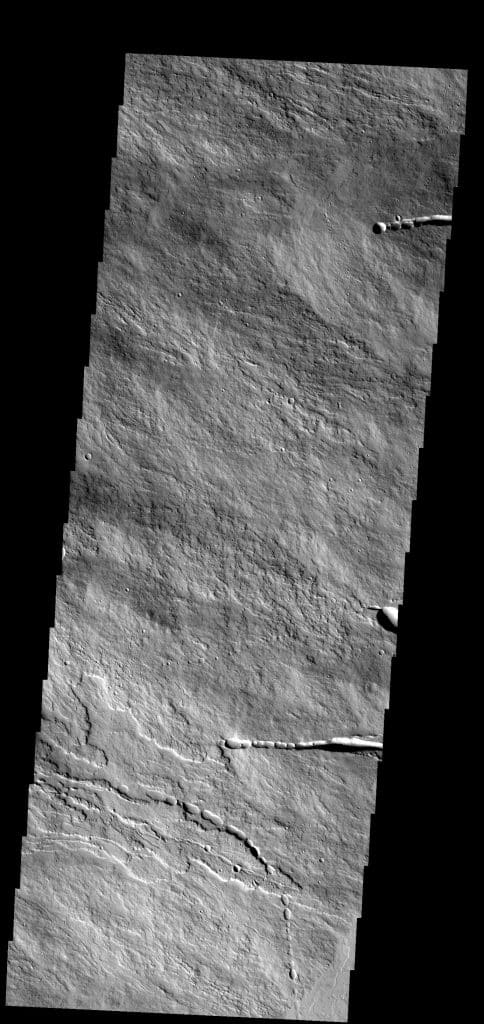
Deconvolution was developed in 1990 to salvage blurry images from the Hubble Space Telescope. Today, BlurXTerminator makes it accessible to amateurs through machine learning. It’s not cheating—it should be used sparingly.
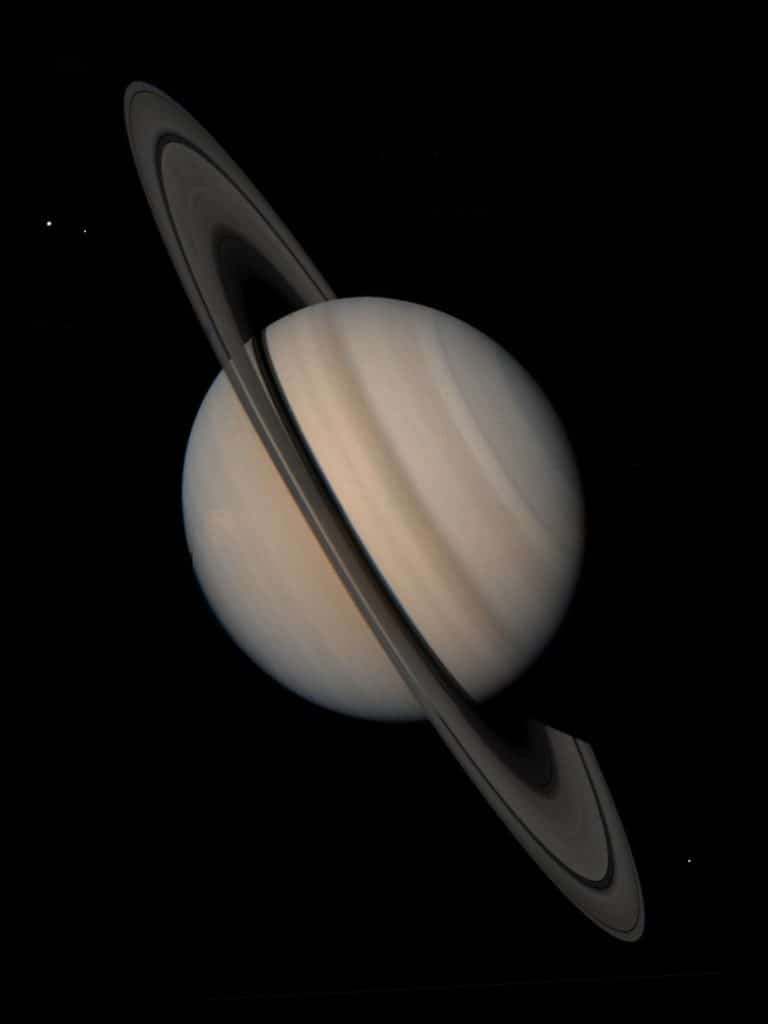
The fall equinox on September 23, 2026. The nights are getting longer, but it’s not too cold yet. Saturn in opposition on October 4, visible planets, events, and astrophotography ideas from Switzerland.
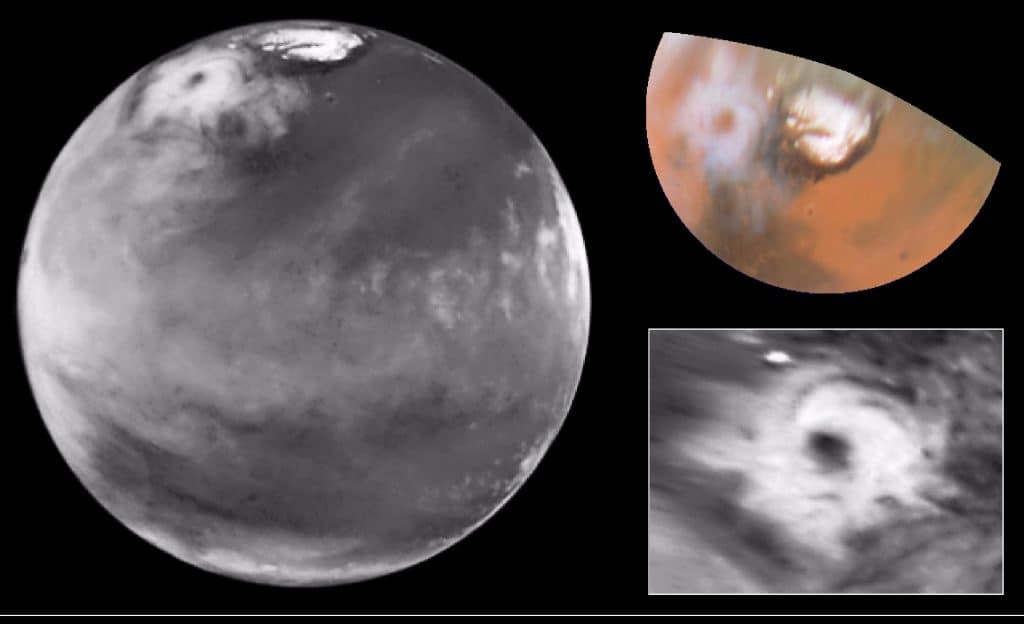
A Barlow lens shifts the focal plane backward. If your focuser doesn't have enough travel, focusing becomes impossible. Three solutions, from TeleVue to Powermate.
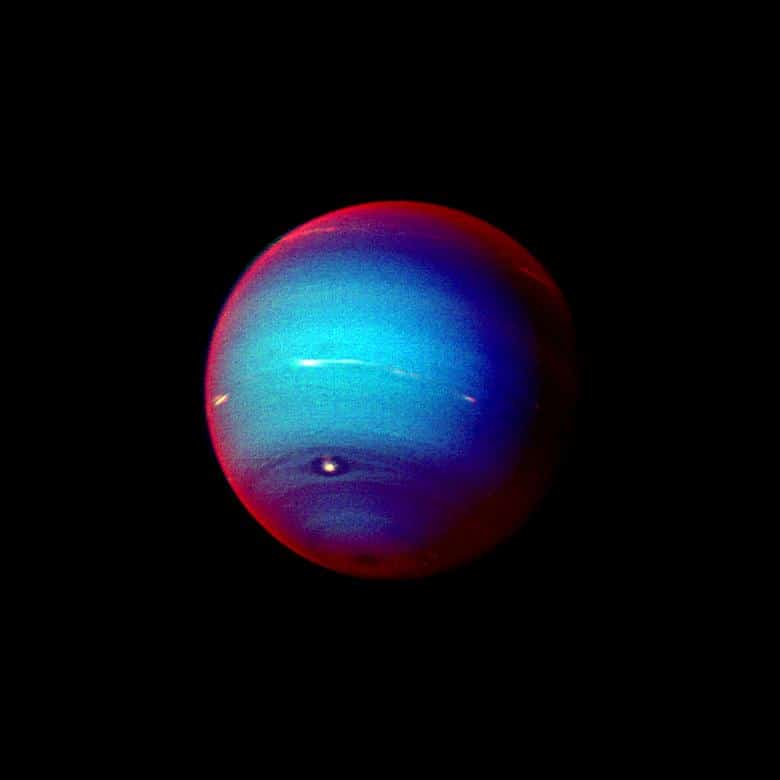
Neptune reaches opposition on September 26, 2026. Magnitude +7.8, disk size 2.4 arcseconds in Pisces. Visible all night long from Europe: a guide to observing with the naked eye, binoculars, and a telescope.
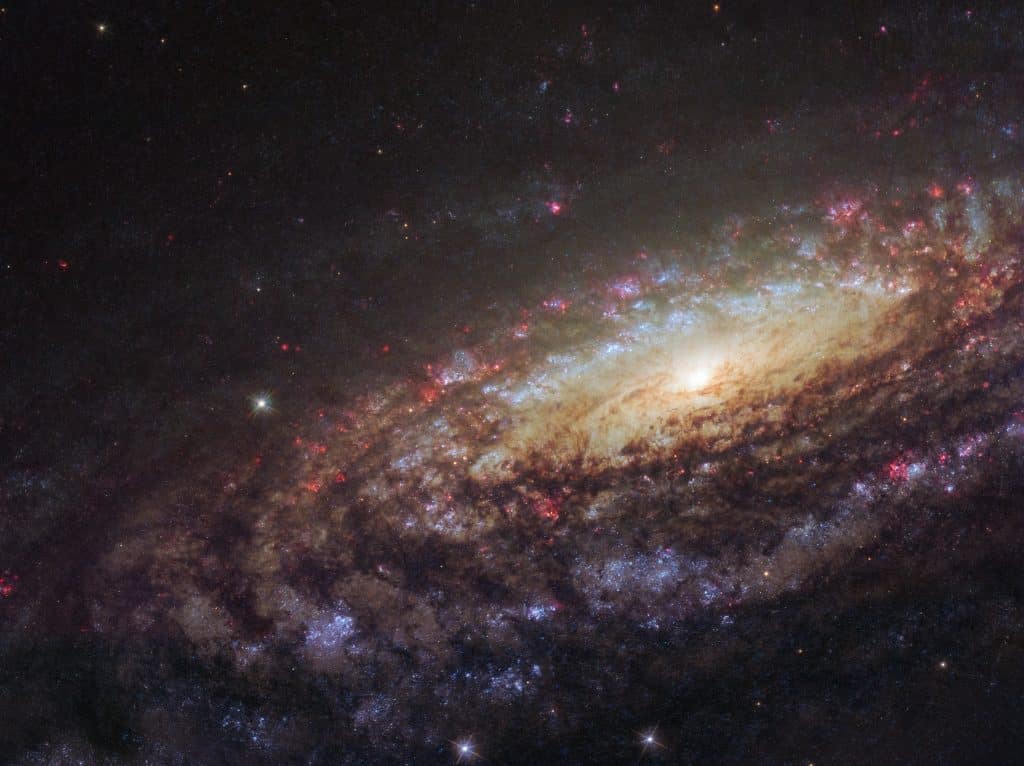
I photographed the supernova SN 2026aaiv in NGC 7331 from Marseille using my Seestar S50 Pro. This is a target that’s accessible to smart telescopes.
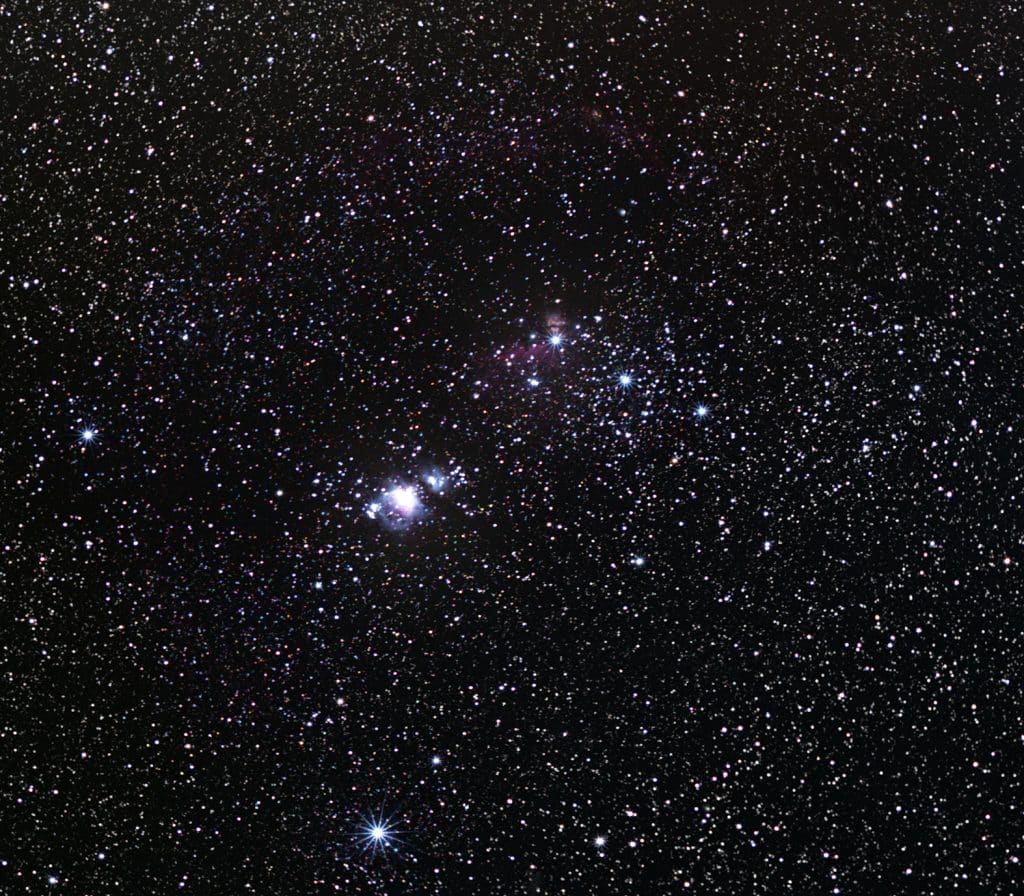
90 mm aperture, TEC-cooled sensor, built-in guiding, and sensor rotator—features typically found scattered throughout a dedicated imaging setup—all in a portable 5.5 kg package.